
From overseas to home shores: PM Modi’s call rebalances India’s travel demand

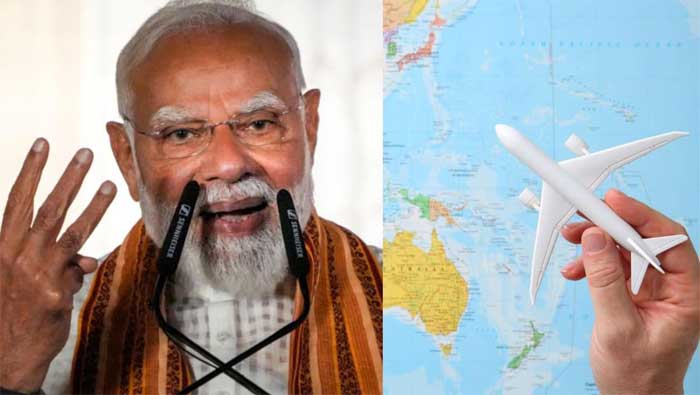
Prime Minister Narendra Modi’s repeated push for Indians to explore their own country before planning foreign holidays appears to be reshaping travel behaviour in meaningful ways.
What began as a broader appeal for citizens to discover India’s cultural and geographical diversity is now increasingly visible in tourism numbers, online searches, airline trends and hotel bookings.
Over the past few years, Modi has frequently urged Indians to visit at least 15 domestic tourist destinations, arguing that the country’s tourism potential can become a major driver of economic growth, employment generation and regional development. The message has steadily gained traction, particularly among middle-class travellers and younger tourists looking for shorter, experience-driven journeys within India.
Domestic tourism gets a post-pandemic boost
The shift became especially visible after the Covid-19 pandemic disrupted international travel and encouraged people to rediscover destinations closer to home. Hill stations, spiritual circuits, beach towns and heritage cities witnessed a sharp rise in footfall as travellers prioritised convenience, affordability and familiarity.
Destinations such as Kashmir, Lakshadweep, Ayodhya, the Northeast, Rann of Kutch and Andaman & Nicobar Islands saw a surge in interest, helped by improved infrastructure, aggressive state-level tourism campaigns and social media visibility.
Industry experts say the Prime Minister’s consistent messaging has contributed to changing perceptions around domestic travel.
“Earlier, international holidays were seen as aspirational while domestic travel was often treated as secondary. That mindset is changing. Indian travellers are increasingly viewing local experiences as equally premium and meaningful,” said a senior executive at a leading online travel platform.
Lakshadweep moment changed the conversation
One of the clearest examples of the impact of political messaging on travel demand came after PM Modi’s visit to Lakshadweep earlier this year. Images of the Prime Minister snorkelling and promoting the islands as a tourism destination triggered an explosion of online searches and bookings.
Travel portals reported multiple-fold increases in searches for Lakshadweep within days, with many travellers comparing the islands to international beach destinations such as the Maldives.
The episode also sparked a wider conversation around promoting Indian tourism infrastructure and reducing outbound spending on foreign vacations.
Airlines and hotels adjust to demand
The rise in domestic tourism has encouraged airlines and hospitality companies to expand operations within India. Airlines have added direct routes to leisure destinations while hotel chains are investing in smaller cities and emerging tourism hubs.
Short-haul weekend travel has become one of the strongest growth segments, with many urban professionals opting for three- or four-day domestic getaways instead of expensive overseas vacations.
Tour operators say demand for curated cultural experiences, eco-tourism, wildlife trails, temple circuits and adventure tourism has also risen sharply.
Railway tourism has similarly benefited, with luxury trains and Vande Bharat routes increasingly marketed as tourism products rather than merely transport services.
Economic impact beyond tourism
The growth in domestic tourism has wider economic implications. Increased visitor traffic generates employment for local guides, transport operators, homestay owners, artisans and small businesses.
States are also competing more aggressively to attract domestic tourists through infrastructure upgrades, airport expansion, better road connectivity and large-scale events.
Economists note that retaining a larger share of travel spending within India strengthens local economies and supports sectors linked to hospitality, aviation, retail and food services.
The trend aligns with the government’s broader emphasis on self-reliance and strengthening internal consumption.
Challenges remain
Despite the momentum, the domestic tourism ecosystem still faces several challenges. High airfares during peak seasons, inconsistent infrastructure, overcrowding at popular destinations and environmental concerns continue to affect traveller experience.
Many tourism experts argue that India must focus on sustainable tourism practices to avoid ecological strain in fragile destinations.
There is also a need for better sanitation, public transport, multilingual tourist services and improved last-mile connectivity in several regions.
A lasting behavioural shift?
While outbound travel from India continues to grow, industry analysts believe domestic tourism has now become structurally stronger than before.
The idea of discovering India is no longer viewed merely as patriotic messaging but increasingly as a practical and aspirational travel choice.
With rising disposable incomes, expanding infrastructure and strong government backing, India’s tourism sector may be entering a phase where domestic demand becomes its most powerful engine.
PM Modi’s call to explore India first may not have reduced Indians’ appetite for international travel entirely, but it has undeniably altered the balance. For a growing number of travellers, the journey inward is becoming just as exciting as the journey abroad.
Comments are closed.