
Gabbard Criticizes WaPo Journalist Over Alleged Harassment of Intelligence Sources

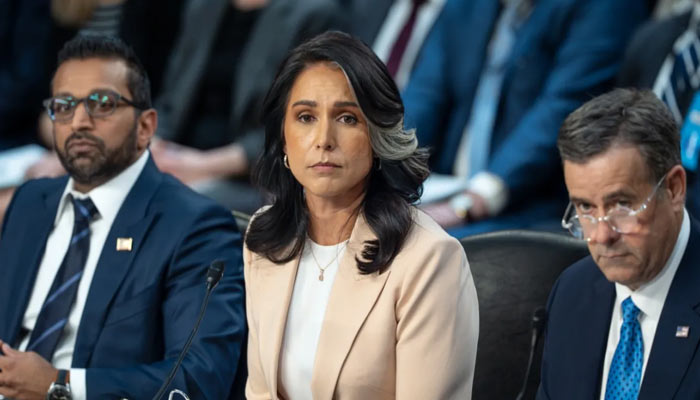
Tulsi Gabbard Accuses Washington Post Reporter of Harassing Intel Officials; Paper Denies Claims.
Director of National Intelligence Tulsi Gabbard has accused The Washington Post’s senior national security reporter Ellen Nakashima of harassing intelligence officials and using deceptive methods to gather sensitive information. In a post on X, Gabbard alleged that Nakashima contacted senior intelligence officers using a “burner phone,” refused to identify herself, and denied working for the Post. Gabbard claimed Nakashima bypassed official protocols and instead pressured intelligence staff directly.
“Instead of reaching out to my press office, she is calling high-level Intelligence Officers from a burner phone, refusing to identify herself, lying about the fact that she works for The Washington Post, and then demanding they share sensitive information,” Gabbard wrote.
She also accused the Post of politically motivated reporting, referencing past run-ins with Nakashima. “This is a clear political op by the same outlet and the same reporter who harassed and stalked my family in Hawaii,” she said.
“The media establishment is so desperate to sabotage @POTUS’s successful agenda that they’ve abandoned even the facade of journalistic integrity and ethics.”
Washington Post Pushes Back
The Washington Post strongly rejected Gabbard’s claims. In a statement, executive editor Matt Murray defended Nakashima, calling her “one of the most fair-minded and highly regarded reporters covering national security.” “Reaching out to potential sources rather than relying solely on official statements is basic journalism,” Murray said.
“Director Gabbard’s accusations are unfounded and personal. They reflect a misunderstanding of journalists’ responsibility to report on government officials and hold power to account.” Nakashima, a Pulitzer Prize-winning journalist, has spent decades covering national security and intelligence matters. She has not publicly responded to Gabbard’s post.
Part of a Growing Pattern?
The clash reflects growing tension between the press and government officials in the Trump administration. Last month, Defence Secretary Pete Hegseth accused journalists of attempting to derail U.S. military operations in Iran. Former President Trump also publicly called for CNN to fire correspondent Natasha Bertrand over her intelligence coverage.
As political pressure around intelligence operations grows, so does the friction between transparency and control. Whether Gabbard’s criticism sparks further scrutiny of the press — or simply adds to the administration’s ongoing war with the media — remains to be seen.
Comments are closed.