
Germany’s Merz Confronts Domestic Rifts After Action-Packed First 100 Days

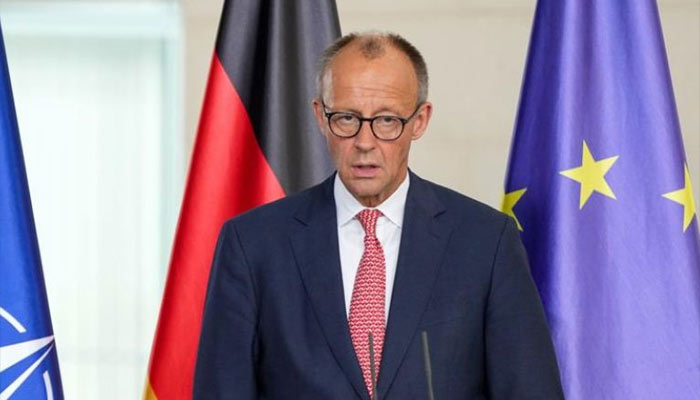
After Busy First 100 Days, Germany’s Merz Faces Growing Domestic Challenges.
German Chancellor Friedrich Merz has launched ambitious changes in security, economic, and migration policies during his first 100 days in office, but his coalition is showing signs of strain.
Merz, who assumed office at age 69, promised on election night to bring a bit of “rambo zambo” — a phrase meaning a wild and energetic approach — to Germany’s leadership. He swiftly pushed through loosening of debt rules and allocated hundreds of billions of euros for military upgrades and infrastructure.
With tensions rising in Europe, Merz committed to building “Europe’s largest conventional army” and maintaining strong support for Ukraine alongside NATO allies. His tough stance has won approval in Washington and among security partners.
At home, Merz has adopted a tougher migration policy, seeking to address voter concerns about immigration and counter the far-right Alternative for Germany (AfD), which made significant electoral gains. Despite his international focus, Merz’s right-leaning policies have unsettled his Social Democratic Party (SPD) coalition partners. His approval ratings have slipped to 32%, and early signs of dissent surfaced during parliamentary votes.
A key crisis emerged over the nomination of SPD judge Frauke Brosius-Gersdorf to Germany’s highest court, which the CDU/CSU withdrew support for amid right-wing backlash, leading to her withdrawal. Disputes over social benefits for Ukrainian refugees have further strained coalition relations.
SPD Vice Chancellor Lars Klingbeil has urged unity to avoid alienating voters and boosting the far-right AfD, but tensions remain unresolved as politicians enter the summer break. Political analyst Wolfgang Schroeder notes, “Merz focuses on big-picture issues but struggles with the detailed compromises that coalition governance demands — and that’s where most conflicts arise.”
Comments are closed.