
Global push to ditch fossil fuels gains urgency as nations meet in Colombia

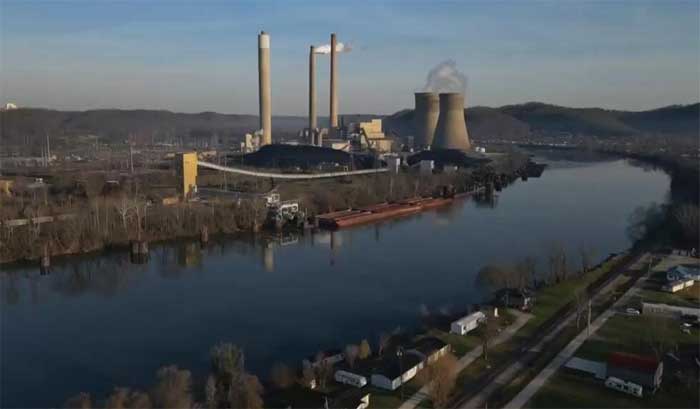
Diplomats from nearly 60 countries gathered in Santa Marta this week to confront one of the most pressing challenges facing the planet: how to transition away from fossil fuels that continue to drive climate change.
The urgency is clear. Emissions from coal, oil and gas are accelerating global warming, triggering extreme weather, rising sea levels and environmental instability. Yet the transition remains deeply complex, as fossil fuels still underpin much of the global economy, with alternatives not yet scaled sufficiently to replace them.
Fossil fuels still dominate
According to the International Energy Agency, coal, oil and gas continue to make up the vast majority of global energy supply. Recent geopolitical tensions have only reinforced that dependence.
The closure of the Strait of Hormuz has disrupted energy flows, sending oil prices to a four-year high in the United States and triggering economic ripple effects worldwide. In parts of Asia, coal—the most polluting fossil fuel—has even seen a resurgence amid supply concerns.
A conference outside the usual framework
The Colombia meeting was intentionally held outside the formal United Nations climate process, which oversees the annual Conference of the Parties (COP) negotiations.
Critics argue that decades of COP talks have failed to deliver a concrete roadmap to phase out fossil fuels. “Existing multilateral processes are not delivering,” said Candy Ofime of Amnesty International, pointing to what many see as a reluctance to directly confront the root causes of the climate crisis.
For participants, the Santa Marta gathering offered a more focused platform. “Finally, we are addressing what drives the crisis—fossil fuels,” said climate activist Kumi Naidoo.
Notable absences
Major global players—including the United States, China, India and Russia—were absent, limiting the scope of discussions. The U.S. absence reflects the stance of the Donald Trump administration, which has declined to engage in international climate negotiations.
Officials in Washington have also defended continued reliance on fossil fuels, arguing that shifting too quickly to alternative energy could harm economic stability.
Outcomes and skepticism
While the conference produced strong statements calling for a transition away from fossil fuels, it stopped short of binding commitments. Participating countries instead agreed to work on regional strategies and reconvene next year in Tuvalu.
Skeptics question whether such initiatives can drive real change, especially given that global emissions have continued to rise despite decades of climate talks.
Still, some see potential in this alternative approach. Naidoo pointed to the success of the Ottawa Treaty, negotiated outside traditional UN channels, as evidence that smaller coalitions can spark global momentum.
Parallel environmental debate in the US
Meanwhile, in the U.S., environmental policy remains contentious. The Environmental Protection Agency has attributed rising smog levels in cities like Phoenix partly to pollution drifting from abroad—a claim disputed by environmental experts.
The bigger picture
The discussions in Colombia highlight a stark reality: while the science on climate change is clear, the path forward remains politically and economically fraught.
As global energy demand grows and geopolitical tensions disrupt supply chains, the challenge of moving beyond fossil fuels is becoming not just an environmental imperative—but a defining test of international cooperation.
Comments are closed.