
H-1B Visa Fee Fight Loses Ground After Judge Upholds US Government Action

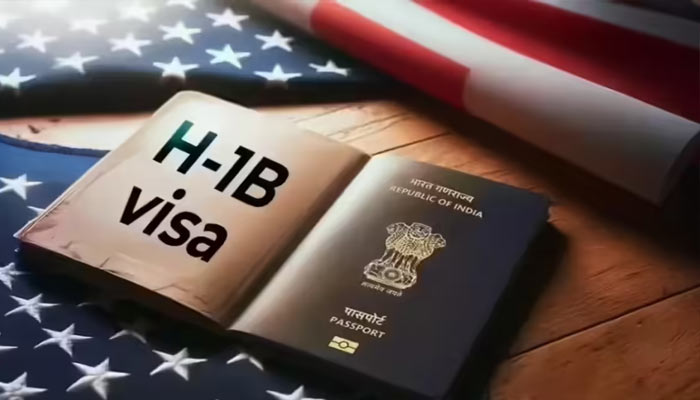
The legal challenge to the Trump administration’s $100,000 H-1B visa fee has moved to an appeals court after a federal judge declined to block the measure, Bloomberg reported.
The U.S. Chamber of Commerce, the country’s largest business lobbying group, filed a notice of appeal challenging a District Court ruling that upheld the fee increase.
Announced through a presidential proclamation in September, the fee was introduced as part of Trump’s efforts to curb perceived abuse of the H-1B program, which allows U.S. employers to hire college-educated foreign workers for specialized roles in technology, engineering, and healthcare.
In its lawsuit filed in October, the Chamber argued that the fee violated federal immigration law and exceeded the executive branch’s authority under Congress-granted statutes. It contended the proclamation unlawfully overrode existing rules on visa costs.
U.S. District Judge Beryl Howell, an Obama appointee, rejected these claims in a December 23 ruling, ruling that the president acted within his legal powers. Bloomberg Intelligence analyst Matthew Schettenhelm said the decision leaves the Chamber with an “uphill battle” on appeal, noting that if Judge Howell found no legal defects, higher courts are unlikely to do so.
The H-1B program is already under stress due to new rules requiring social media screening and banning visa stamping outside a visa-holder’s home country, causing delays in visa processing and forcing rescheduling of consular interviews worldwide. Many professionals remain stranded away from jobs and families, while employers warn of disruptions to business and essential services.
The fee is also facing multiple legal challenges. More than a dozen mostly Democratic-led states have filed a separate lawsuit in Massachusetts, while a global nurse-staffing firm and several labor unions have sued in California. Legal experts expect the dispute could eventually reach the U.S. Supreme Court.
Critics warn the steep H-1B fee could limit access to skilled foreign workers, affecting critical sectors like education and healthcare. States such as California, grappling with teacher shortages, have relied on H-1B hires to fill vital roles.
Comments are closed.