

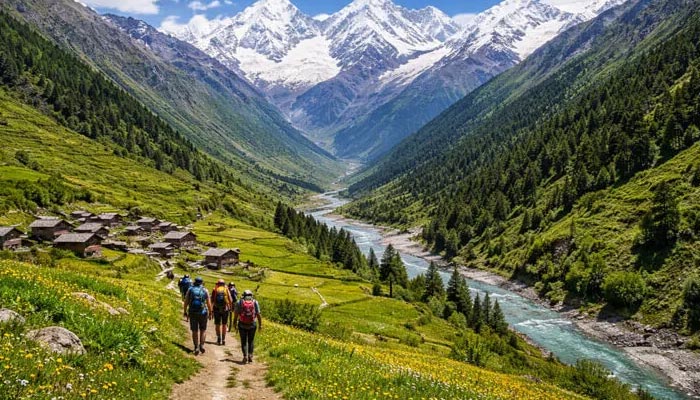
Darma Valley Travel: 4 Health Risks You Should Know
Darma Valley, located in the Pithoragarh district of Uttarakhand, India, is increasingly popular for Himalayan snow treks and winter sports. While the snowy landscapes are thrilling, high-altitude environments come with health risks that require careful preparation. Cold, dry air, erratic snowfall patterns, and the effects of climate change all add to the challenge. Here are the main health concerns travelers should be aware of:
1. Hypothermia
Hypothermia occurs when the body loses heat faster than it can produce it, dropping core temperature to dangerous levels. This can affect the nervous system and organs, and if untreated, can be fatal. Hypothermia may develop in extreme cold or from immersion in icy water. Prevention and treatment: Dress in layers, stay dry, and use warming methods to gradually restore body temperature.
2. Frostbite
Frostbite happens when skin and underlying tissues freeze due to prolonged exposure to cold. Commonly affected areas include fingers, toes, ears, nose, and face. Symptoms include:
Numbness
Redness
Swelling
Blisters
Severe frostbite can cause permanent tissue damage. Immediate medical attention is essential. Wearing insulated gloves, socks, and face protection helps prevent frostbite.
3. Altitude Sickness
High altitudes can reduce oxygen availability, leading to altitude sickness. Symptoms range from mild headaches and nausea to life-threatening conditions. Types include:
Acute Mountain Sickness (AMS): Mild, common, includes headache, nausea, dizziness.
High-Altitude Pulmonary Edema (HAPE): Lungs fill with fluid; causes severe breathing difficulties.
High-Altitude Cerebral Edema (HACE): Brain swelling due to oxygen deprivation; can be fatal.
Prevention: Ascend gradually, take rest days, and monitor symptoms closely. Immediate descent and medical care are necessary for severe cases.
4. Respiratory Issues
High-altitude environments can trigger respiratory and heart-related problems, including abnormal heartbeat, pulmonary embolisms, and infections. Proper acclimatization and awareness of your body’s response to altitude are essential for safety.
Precautionary Measures for Travelers
To minimize risks:
Dress appropriately: Layer clothing to manage body temperature.
Stay hydrated and nourished: Proper hydration and nutrition help regulate body temperature.
Acclimatize: Gradually adjust to high-altitude conditions before strenuous activity.
Balancing adventure with safety is key when visiting Darma Valley. Preparing for these health risks ensures you can enjoy the Himalayas while staying safe.
Comments are closed.