
Himalayan Havoc: Cloudbursts and Flashfloods Devastate Harsil, Kathua
Himalayan floods linked to climate change, deforestation, glacial lake outbursts, and monsoon rains.

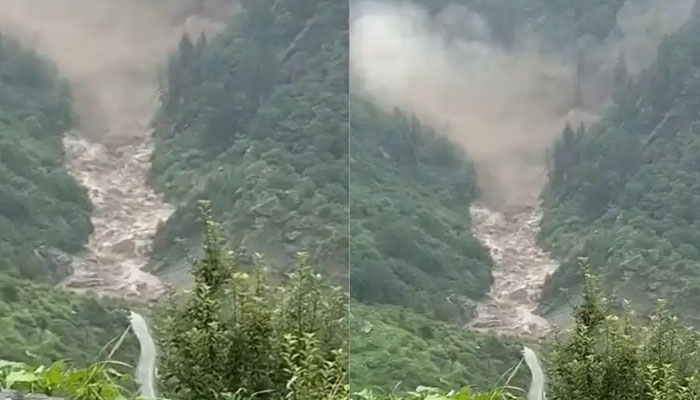
Himalayan Floods Expose Climate Crisis: Cloudbursts, Glacial Melts, and Human Pressures Intensify Risks.
In recent weeks, the Himalayas have been battered by a series of cloudbursts, flash floods, and extreme rainfall, leaving a trail of destruction across Uttarakhand, Himachal Pradesh, and Jammu & Kashmir. On August 5, a massive cloudburst struck Dharali village near Harsil in Uttarakhand, sweeping away homes, shops, and infrastructure. Authorities confirmed five deaths, with dozens still missing.
Similar devastation unfolded in Himachal Pradesh’s Mandi district, where floods damaged water supply systems in Thunag, triggering an ongoing crisis. In Jammu & Kashmir’s Kathua district, at least seven lives were lost when a remote village was hit by a sudden cloudburst.
Why Are the Himalayas So Vulnerable?
The Himalayan landscape, with its steep terrain and fragile geology, is inherently prone to floods and landslides. But scientists warn that climate change is amplifying the danger. Rising global temperatures are increasing the frequency of extreme rainfall, while melting glaciers are swelling fragile high-altitude lakes.
A 2024 study in Scientific Reports linked Himalayan flash floods to a mix of natural and human factors: cloudbursts, monsoon downpours, glacial lake outburst floods (GLOFs), deforestation, land-use changes, and tectonic activity. “Cloudbursts combined with heavy rainfall are often the immediate triggers,” the study noted.
The Growing Glacial Threat
Experts fear that the Dharali disaster may also be tied to a glacial lake outburst. As glaciers retreat, meltwater pools into unstable lakes, which can burst without warning. The 2013 Kedarnath tragedy, which claimed over 6,000 lives, was caused by such a glacial lake breach triggered by record monsoon rains.
Research underscores the scale of the crisis. A 2023 Nature Communications study found that the world’s glaciers lost 332 gigatonnes of ice annually between 2006 and 2016. Since 1990, the number of glacial lakes worldwide has surged by 50%, with South Asia among the most at risk. In India, Pakistan, and China alone, nearly a million people live within 10 km of a glacial lake.
“These floods are especially dangerous because they are unpredictable,” the study’s authors warned.
The Way Forward
The repeated disasters highlight the urgent need for climate action and disaster preparedness. Experts argue that better early-warning systems, satellite monitoring of glacial lakes, reforestation, and stronger community-based resilience programs are essential.
If left unchecked, the Himalayan crisis could escalate into one of the gravest climate-driven humanitarian risks of the coming decades.
Comments are closed.