
How China Is Emerging as the Most Powerful Force in the Global Oil Market

Not the Middle East or Russia: Why China Could Be the Most Powerful Force in Global Oil Markets
For generations, the global oil market has been shaped by producers. A conflict in the Middle East, an OPEC production cut, or sanctions on Russia could send crude prices soaring within hours. But the recent oil crisis linked to the Iran conflict highlighted a new reality: the world’s biggest influence on oil prices may no longer be the countries pumping crude out of the ground. Instead, it could be the country buying it.
That country is China.
As markets navigated one of the biggest threats to global energy supplies in decades, China’s actions quietly helped determine how far oil prices would rise — and how quickly they would fall.
The Supply Shock That Failed to Spark Panic
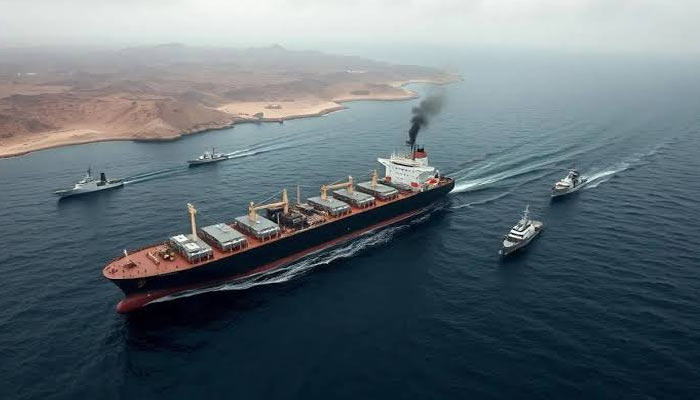
At the height of the crisis, disruptions around the Strait of Hormuz threatened more than 11 million barrels of oil per day, putting nearly 20 per cent of global crude flows at risk. Under normal circumstances, such a disruption would have triggered a sharp spike in prices. Previous supply shocks of a much smaller scale have caused major upheaval in energy markets.
Yet despite fears of a prolonged crisis, oil prices remained surprisingly resilient and avoided the extreme levels many analysts had predicted. The reason was not a sudden surge in production elsewhere. It was a collapse in demand from the one buyer capable of influencing the market on a global scale.
China’s Secret Weapon: Massive Oil Reserves
Over the past several years, China quietly built one of the world’s largest crude oil stockpiles, taking advantage of discounted supplies from Russia and Iran. As a result, when global supplies tightened, Beijing did not need to enter the market and compete aggressively for available barrels. Instead, it relied on existing inventories.
This gave China something few countries possess: the ability to temporarily reduce imports without disrupting its economy.
Analysts estimate that Chinese crude imports fell by nearly three million barrels per day during the crisis, effectively removing a huge chunk of demand from the global market.
That reduction helped offset some of the supply losses elsewhere and prevented an even sharper jump in prices.
- China Is Changing Oil Demand Itself
- China’s growing influence is not only about stockpiles.
The country is also transforming the future of energy consumption through its rapid adoption of electric vehicles. Nearly half of new passenger vehicles sold in China are now electric or hybrid models, reducing dependence on gasoline and diesel.
At the same time, weaker refinery activity and tighter fuel export controls have further slowed crude demand growth.
Together, these trends have created an unusual situation: the world’s largest oil importer is no longer consuming crude at the pace many producers once expected.
That makes China’s demand decisions increasingly important for global markets.
- Why Beijing’s Next Move Matters
- The story does not end with lower imports.
The reserves China used during the crisis will eventually need to be replenished. When that happens, Beijing could once again emerge as one of the largest buyers in the world. If oil prices decline and China decides to rebuild its stockpiles aggressively, it could absorb millions of barrels that might otherwise push the market into oversupply.
On the other hand, if Chinese demand remains subdued, producers could face growing pressure as additional supplies enter the market from the Middle East and other regions. In both scenarios, China’s choices will have consequences far beyond its borders.
What It Means for India
For India, China’s reduced buying offered a short-term benefit by helping contain crude prices during a period of geopolitical uncertainty.
However, the episode also underscores a broader lesson. In a world where major consumers can influence markets as much as major producers, countries need stronger energy security buffers and larger strategic reserves to protect themselves from future shocks.
The Rise of a New Oil Power
For decades, oil traders watched Riyadh, Moscow and Washington for clues about the future direction of crude prices.
Today, Beijing deserves a place on that list.
China’s vast reserves, enormous purchasing power, growing electric vehicle fleet and ability to rapidly increase or reduce imports have given it a unique position in the global energy system. The next major shift in oil prices may not be triggered by a pipeline closure, an OPEC decision or a geopolitical confrontation.
Comments are closed.