
India Flags Breakdown in Geneva Talks, Calls for Restraint Following Iran Strikes

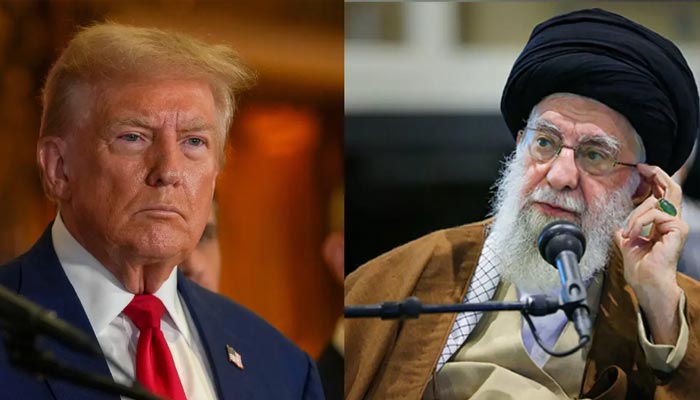
India Assesses Iran Strikes: Khamenei “Always US Target,” Nuclear Talks Collapse Preceded Attack
Indian government sources said that Ayatollah Ali Khamenei, killed in coordinated US-Israel military strikes, had long been a target for Washington and Tel Aviv. Sources noted that backchannel Middle East talks over Iran’s nuclear program failed just days before the attack, leaving diplomatic options exhausted.
Officials told News18 that while India’s domestic security situation remains stable, the conflict raises serious concerns over global energy prices. Rising crude costs could have a destabilising effect on the world economy.
The strikes reportedly involved over 30 bombs targeting a high-level leadership summit, killing Khamenei and senior members of his inner circle. The escalation followed the collapse of nuclear negotiations in Geneva mediated by Oman, where major disagreements persisted over uranium enrichment, dismantling of nuclear sites, and transfer of nuclear materials. Sources stressed that the US had consistently considered Khamenei a “non-negotiable target.”
Precautions in Jammu & Kashmir
Authorities in Jammu and Kashmir have taken preventive measures to maintain order. Sakina Itoo announced that schools and colleges would remain closed for two days. Protests in Srinagar, mostly in Shia-majority areas, remained peaceful, with demonstrators carrying black flags, portraits of Khamenei, and chanting traditional mourning prayers (nauha). Demonstrations were also reported outside the UNMOGIP headquarters and at Delhi’s Jantar Mantar, organised by the All India Shia Council.
In Lucknow, the All India Shia Majalis-E-Ulema-Wa-Zakireen held protests condemning the strikes as acts of aggression.
Violent Protests in Pakistan
Protests in Pakistan, particularly in Karachi, turned violent. Demonstrators attempted to storm the US consulate, and security forces opened fire, leaving more than 10 people dead.
Comments are closed.