
India Objects to Pakistan Heading UN Panel on Taliban Sanctions, Citing ‘Clear Conflict of Interest’

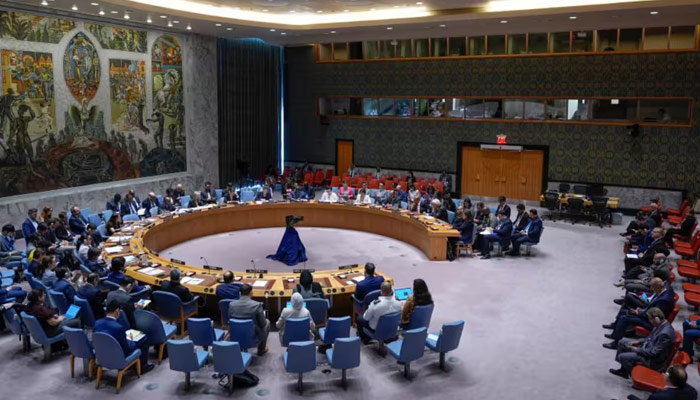
India on Friday questioned Pakistan’s leadership of two key United Nations Security Council (UNSC) bodies, calling it an “obvious conflict of interest” during a debate on the Council’s working methods.
India’s Permanent Representative to the UN, Ambassador P. Harish, said nations with clear stakes in issues under review should not head committees dealing with sanctions or counter-terrorism. Though he avoided naming Pakistan, the criticism was widely interpreted as targeting Islamabad’s chairmanship of the Taliban Sanctions Committee and its co-chair role in the Counter-Terrorism Committee.
“Obvious and outright conflicts of interest can have no place in the Council,” Harish said, urging the body to tighten rules on who can lead crucial committees that decide sanctions, travel waivers and terror listings.
Pakistan currently heads the UNSC’s 1988 Taliban Sanctions Committee, which oversees travel bans on Taliban leaders. The committee recently came under focus when Afghanistan’s Foreign Minister Amir Khan Muttaqi’s travel exemption request met delays. India also noted that Pakistan, despite co-chairing the Council’s counter-terrorism panel, continues to shelter UN-listed terrorists.
Harish pressed for greater transparency in how the Council handles sanctioning and delisting proposals, saying many listing requests are blocked without explanation and without access for non-Council members.
He also criticised the continued relevance of the UN Military Observer Group in India and Pakistan (UNMOGIP), saying mandates that have “outlived their purpose” should not be kept alive for political convenience.
Comments are closed.