

US National Museum of Asian Art to Return Three Ancient Indian Bronze Sculptures
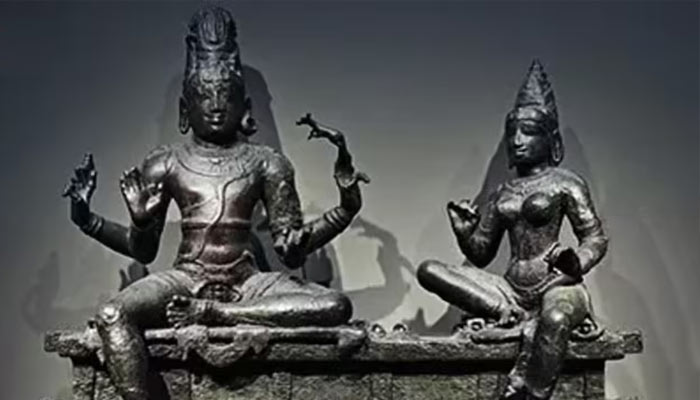
The Smithsonian’s National Museum of Asian Art is returning three historic Indian bronze sculptures, including the “Shiva Nataraja” (Chola period, ca. 990), “Somaskanda” (Chola period, 12th century), and “Saint Sundarar with Paravai” (Vijayanagar period, 16th century), following a thorough provenance review, the museum announced Thursday.
All three works are treasured examples of South India’s bronze art tradition, originally sacred temple objects used in religious processions.
While the sculptures will be repatriated to India, the Indian government has agreed to place the “Shiva Nataraja” on long-term loan, allowing it to remain on display as part of the exhibition The Art of Knowing in South Asia, Southeast Asia, and the Himalayas. The museum said this arrangement helps tell the full story of the object, including its removal and return.
The museum conducted a systematic review of its South Asia collection, examining ownership records and transaction histories. Researchers, in collaboration with the Photo Archives of the French Institute of Pondicherry, confirmed that the sculptures had been photographed in Tamil Nadu temples between 1956 and 1959. The Archaeological Survey of India verified that the objects were taken in violation of Indian law.
Museum director Chase F. Robinson said the return underscores the institution’s commitment to ethical stewardship and transparency in cultural heritage. He also thanked the Indian government for permitting the continued display of the Shiva Nataraja.
Further research revealed that the Shiva Nataraja originally belonged to the Sri Bhava Aushadesvara Temple in Tamil Nadu and was sold to the museum in 2002 using falsified documents. The other two sculptures joined the museum’s collection in 1987 as part of a donation.
The museum is now coordinating with the Embassy of India to finalize the return and credited its provenance research team, curators, and international partners for their support in the investigation.
Comments are closed.