

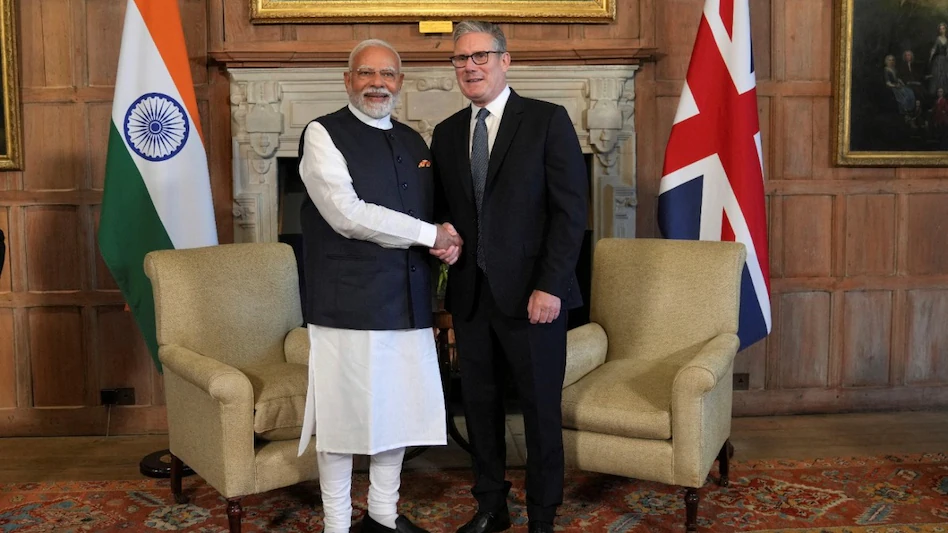
In a landmark move for bilateral trade, the India-UK Free Trade Agreement (FTA), signed on July 24, 2025, has ushered in a new era of economic cooperation between the two nations. One of the most significant outcomes of this agreement is the phased reduction of import tariffs on Scotch whisky, a premium spirit highly coveted in India, the world’s largest whisky market by volume. The tariff cut, which halves the existing 150% duty to 75% immediately and plans to reduce it further to 40% over the next decade, is poised to make Scotch whisky more affordable for Indian consumers while boosting UK exports. This article explores the implications of this tariff reduction, its impact on the Indian market, the Scotch whisky industry, and the broader economic benefits for both countries.
The India-UK Free Trade Agreement: A Game-Changer
The India-UK FTA, finalized after over three years of negotiations, is described as a “historic milestone” by Indian Prime Minister Narendra Modi and a “landmark moment” by UK Prime Minister Keir Starmer. The agreement aims to boost bilateral trade by an estimated £25.5 billion ($34 billion) annually by 2040, with the UK economy projected to gain £4.8 billion and wages increasing by £2.2 billion each year. For India, the deal eliminates tariffs on 99% of its exports to the UK, enhancing market access for sectors like textiles, gems, jewelry, and engineering goods.
A key highlight of the FTA is the reduction of Indian tariffs on 90% of British products, with 85% of these becoming fully tariff-free within a decade. Among the most notable changes is the slashing of import duties on Scotch whisky and gin, which will drop from 150% to 75% upon implementation and gradually decrease to 40% by 2035. This move is expected to have a transformative impact on the premium spirits market in India.
Scotch Whisky: A Premium Product in the World’s Largest Whisky Market
India has emerged as the largest market for Scotch whisky by volume, overtaking France in 2024 with 192 million bottles exported, up from 167 million in 2023. Despite its popularity, the high 150% tariff has historically made Scotch whisky an expensive luxury, limiting its market share to just 3% of the Indian whisky market, which is dominated by domestic brands (88%) and Indian-made foreign liquor (9.5%). The tariff reduction is expected to make premium and mid-range Scotch whiskies more accessible, with a bottle currently priced at ₹5,000 potentially dropping to ₹3,500–₹4,000 after the initial cut, depending on state taxes and distributor margins.
Mark Kent, Chief Executive of the Scotch Whisky Association, hailed the FTA as a “once in a generation deal” that could increase Scotch whisky exports to India by £1 billion over the next five years, creating 1,200 jobs across the UK. The agreement also opens the Indian market to smaller, boutique distilleries that were previously priced out due to high tariffs, promising greater variety and competition in the premium segment.
Impact on Indian Consumers and the Market
The tariff reduction is a boon for Indian whisky enthusiasts, who will benefit from lower prices and a wider selection of Scotch brands. The immediate halving of tariffs to 75% is expected to bring premium brands like Johnnie Walker Black Label and Chivas Regal within reach of a larger consumer base, with potential price reductions of 5–7% in the first year. Over the next decade, as tariffs fall to 40%, prices could decrease further, making Scotch a more competitive option against domestic whiskies.
However, the extent of price reductions will depend on state-level excise policies, as alcohol is excluded from India’s Goods and Services Tax (GST) and subject to state-specific taxes. Industry experts warn that some states may impose compensatory taxes to protect revenue, potentially offsetting the benefits of the tariff cut. For instance, excise collections are a significant revenue source for states, and adjustments to ex-distillery prices or duties could limit consumer savings. Despite this, the FTA is expected to enhance consumer choice and drive demand for premium spirits.
Benefits for the Scotch Whisky Industry and UK Economy
The tariff reduction is a significant win for the UK’s Scotch whisky industry, which has long viewed India as a priority market. The deal not only boosts export potential but also supports smaller distilleries by reducing barriers to entry. The Scotch Whisky Association estimates that the agreement could double Scotch’s market share to 6%, while still allowing Indian whiskies to dominate. Additionally, lower tariffs on bulk Scotch imports will reduce production costs for Indian-made whiskies that use Scotch as a blending component, benefiting domestic producers like United Spirits and Allied Blenders.
The broader economic impact for the UK includes increased competitiveness for British goods in India, with tariffs on products like cosmetics, medical devices, and automotive parts also being slashed. For example, automotive tariffs will drop from over 100% to 10% under a quota system, boosting UK car exports. The FTA is expected to create thousands of jobs and enhance the UK’s position in one of the world’s fastest-growing economies.
Implications for Indian Producers and the Domestic Market
While the tariff cuts benefit UK exporters, Indian officials and industry leaders assert that the domestic alcoholic beverage market will not face significant disruption. The Indian whisky industry, which relies heavily on bulk Scotch imports for premium blends, will see reduced input costs, potentially improving margins for companies like Diageo India and United Spirits. However, concerns remain about the potential influx of cheaper Scotch flooding the market. To address this, Indian distillers have pushed for minimum import pricing (MIP) to prevent predatory pricing, though it remains unclear if such measures are included in the FTA.
The agreement also benefits Indian exporters, with 99% of Indian goods, including textiles, leather, and jewelry, facing zero tariffs in the UK. This is expected to boost India’s export-driven sectors, create jobs, and strengthen its position in global value chains. The FTA includes provisions for professional mobility, allowing Indian tech professionals easier access to the UK market, further enhancing economic ties.
Challenges and Considerations
Despite the optimism, challenges remain. Non-tariff barriers, such as state-by-state label registration, licensing fees, and customs delays, continue to complicate market access for Scotch whisky producers. The FTA aims to address some of these issues, but perseverance will be required to navigate India’s complex regulatory landscape. Additionally, concerns have been raised about the potential impact of similar tariff reductions in future trade deals with the EU or the US, which could affect India’s domestic alcobev industry if not carefully managed.
From the UK perspective, the agreement does not provide as much access to India’s financial and legal services sectors as desired, and negotiations for a bilateral investment treaty continue. However, the inclusion of chapters on anti-corruption, consumer protections, and labor rights reflects a commitment to shared values and sustainable trade practices.
A Template for Future Trade Deals
The India-UK FTA could serve as a blueprint for India’s negotiations with other major economies, such as the EU and the US, which are also eyeing tariff reductions on spirits. Industry analysts suggest that the structure of this deal, particularly its phased tariff reductions and focus on mutual benefits, may influence future agreements. However, Indian distillers have urged the government to review state-level excise policies and ensure better market access for Indian alcoholic beverage exports to reach $1 billion by 2030.
The India-UK Free Trade Agreement marks a significant step toward deepening economic ties between two of the world’s largest economies. The reduction of Scotch whisky tariffs from 150% to 75%, with a further drop to 40% over the next decade, promises to make this premium spirit more affordable for Indian consumers while boosting UK exports and jobs. For India, the deal enhances export opportunities, supports job creation, and strengthens its global trade position. While challenges like state taxes and non-tariff barriers remain, the FTA sets the stage for a new era of collaboration, with Scotch whisky serving as a symbol of shared prosperity. As both nations work toward a $100 billion bilateral trade target by 2030, this agreement underscores the power of free trade in driving economic growth and consumer choice.
Comments are closed.