

Heat, Storms, and the Ballot: India’s April Elections Face a Climate Reality
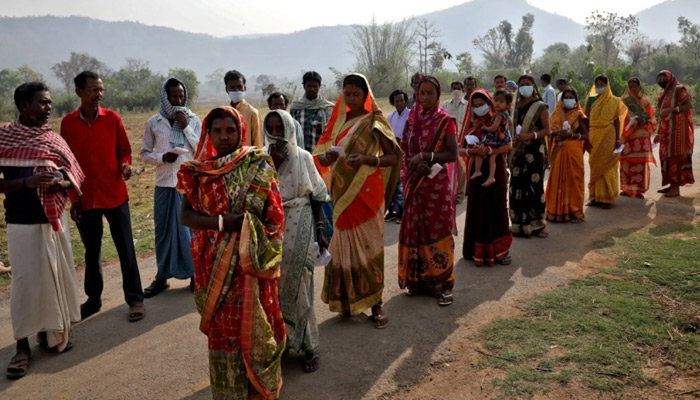
As nearly 174 million voters gear up to cast ballots across West Bengal, Kerala, Assam, Tamil Nadu, and Puducherry this April, one factor looms larger than ever: the weather. Rising heat, humidity, and violent pre-monsoon storms are quietly reshaping not just voter turnout but the very logistics of polling.
A Changing April
April, traditionally the pre-monsoon transition, is no longer predictable. Data from the India Meteorological Department shows consistently above-average temperatures over the past five years, sharp swings in rainfall, and a rise in thunderstorms and lightning. For election-bound states, this translates into real risks: overheated voters, flooded roads, and disrupted polling stations.
Storms Hit the East, Heat Pressures the South
Eastern states like West Bengal and Assam face intense “Nor’westers” or “Kalbaisakhi” storms that can damage infrastructure, delay transport, and deter voters—especially in rural districts. Southern states like Tamil Nadu and Kerala, meanwhile, confront oppressive heat paired with high humidity. Dangerous “wet-bulb” temperatures make it harder for the human body to cool down, raising the risk of heatstroke during long waits at polling stations.
Climate Is Reshaping Democracy
Experts warn that extreme weather is no longer occasional. Mahesh Palawat of Skymet Weather notes, “Reduced turnout, health risks, and operational disruptions due to heat and storms are now serious election concerns.” Lightning alone has emerged as the deadliest weather-related threat in recent years.
Election Authorities Adapt
The Election Commission of India is responding with measures including extended polling hours to avoid peak heat, real-time station monitoring to manage crowds, and home voting options for vulnerable citizens. Former Chief Election Commissioner O. P. Rawat highlights broader concerns: “Campaigns must reduce fuel use and material waste, and authorities must integrate climate preparedness into election planning.”
A Long-Term Shift
Rising sea surface temperatures in the Indian Ocean are making pre-monsoon weather more volatile, with stronger storms and unpredictable rainfall. “The Indian Ocean has warmed faster than any other tropical basin, fundamentally changing pre-monsoon patterns,” says Roxy Mathew Koll of the Indian Institute of Tropical Meteorology.
The Road Ahead
April 2026 elections will unfold under a climate no longer predictable or peripheral. Heatwaves, storms, and humidity are now active participants in India’s democratic process, influencing when, where, and how citizens cast their votes. Climate preparedness is no longer optional—it is central to ensuring safe and effective elections.
Comments are closed.