
Invisible Threat: How Thirdhand Smoke Affects Kids and the Elderly

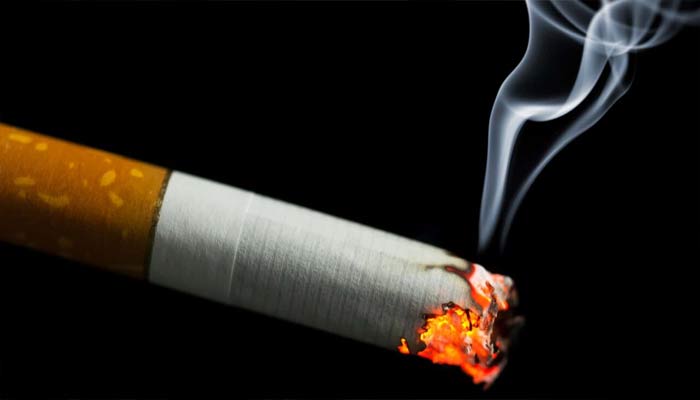
The Hidden Danger of Third-Hand Smoke: A Risk for Kids and the Elderly.
You walk into a room, sit at a corner table, and catch a faint whiff of tobacco. Even though no one is smoking, the smell lingers. What you’re experiencing is third-hand smoke — the invisible residue left behind by tobacco smoke.
Unlike active smoking or second-hand smoke, third-hand smoke refers to the toxic chemicals that cling to clothes, furniture, walls, and other surfaces long after a cigarette is extinguished. When people, especially children or the elderly, touch these surfaces, they can absorb harmful substances, often without realizing it.
The issue has gained global attention, with California recently passing legislation to tackle third-hand smoke. In India, the concern is especially acute. As the second-largest consumer and producer of tobacco, crowded living spaces and families spending more time indoors make homes hotspots for unintended exposure.
How Third-Hand Smoke Works
Many assume that if no one is actively smoking, the air is safe. That’s not the case. Chemicals from tobacco persist for weeks or even months on surfaces, gradually interacting with indoor pollutants to form new toxic compounds. These can be more harmful than the original smoke.
“The danger with these chemicals is not only that they remain on surfaces for a long time, but they also get re-emitted into the air, creating a persistent health hazard,” explains Dr. Siri M Kamath, consultant internal medicine at Gleneagles BGS Hospital, Bengaluru.
Even after smoking stops, homes remain contaminated, silently exposing non-smokers — particularly infants and elderly family members — to risks they never consented to.
Who Is Most at Risk?
Third-hand smoke doesn’t just affect smokers. Children, the elderly, and even pets are highly vulnerable.
Children: Crawl, touch surfaces, and put objects in their mouths. Low-level exposure can lead to recurrent coughs, wheezing, asthma flare-ups, ear infections, and chest infections.
Elderly: More susceptible due to weaker immune systems and pre-existing conditions.
Pets: Can ingest residues from surfaces or groom themselves after contact, leading to long-term health issues.
Why Awareness Matters
Even brief exposure to third-hand smoke can have lasting health consequences. Cleaning and ventilating indoor spaces is not always enough, as nicotine and other chemicals bind strongly to surfaces. Families need to recognize that a smoke-free home isn’t just about banning cigarettes in the air — it’s also about eliminating lingering toxins from every corner of the house.
Third-Hand Smoke: The Invisible Danger for Kids and the Elderly
Imagine walking into a room, sitting at a corner table, and catching a faint whiff of tobacco. Even though no one is smoking, the smell lingers. What you’re experiencing is third-hand smoke — the toxic residue left behind by cigarettes, clinging to clothes, furniture, walls, and other surfaces long after smoking has stopped.
Unlike active smoking or second-hand smoke, third-hand smoke exposes people to harmful chemicals indirectly. Children, the elderly, and even pets can absorb these toxins just by touching contaminated surfaces or inhaling re-emitted particles.
Globally, the issue is gaining attention. In October 2025, California passed Assembly Bill 455, the first law to formally address third-hand smoke. Sellers of single-family homes must now disclose any history of indoor smoking or vaping, recognizing lingering tobacco residues as environmental hazards akin to lead, asbestos, or radon.
How Third-Hand Smoke Works
Even when the air seems clean, nicotine and other tobacco chemicals persist for weeks or months on surfaces. They can react with indoor pollutants to form new, even more toxic compounds.
“These chemicals not only remain on surfaces for long periods, but they also re-enter the air, creating a persistent health hazard,” explains Dr. Siri M Kamath, internal medicine consultant at Gleneagles BGS Hospital, Bengaluru.
Continuous low-dose exposure can quietly damage the lungs, blood vessels, and other systems over time. This “slow burn” effect is particularly concerning for the young, elderly, and pregnant women.
Who Is Most at Risk?
Children: Crawl, touch surfaces, and put objects in their mouths. Even low-level exposure can trigger recurrent coughs, wheezing, asthma, ear infections, and chest infections.
Elderly: Pre-existing conditions make them more susceptible. Third-hand smoke can worsen breathlessness, trigger COPD flare-ups, and increase cardiovascular stress.
Pregnant women: Repeated exposure may increase the risk of low birth weight, preterm delivery, and impaired lung development in the baby.
Pets: Can ingest residues from surfaces or grooming, leading to long-term health issues.
Second-Hand vs Third-Hand Smoke
Second-hand smoke: Inhaled directly when someone is actively smoking nearby.
Third-hand smoke: Slowly absorbed from contaminated surfaces over time.
Though the exposure is less intense, its chronic nature makes it insidious. Chemicals from tobacco can cause airway inflammation, oxidative stress, DNA disruption, hormonal problems, and increased cancer risk — often without immediate symptoms.
Comments are closed.