
Iran Confirms 606 Dead, Over 5,300 Injured in Israeli Airstrikes Over 12 Days: Health Minister

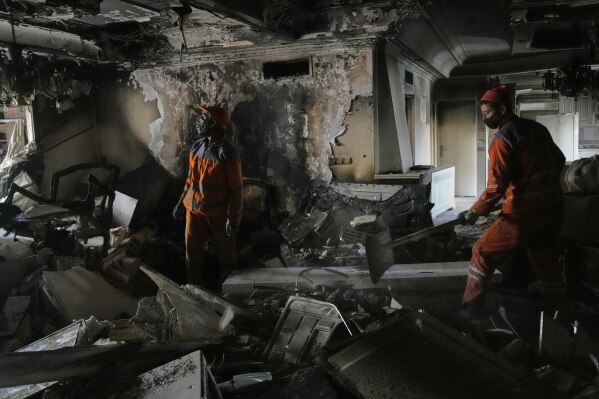
As tensions in the Middle East continue to intensify, Iran’s Health Minister Mohammad-Reza Zafarghandi announced on Wednesday that the death toll from a series of Israeli airstrikes across Iran has climbed to 606, with an additional 5,332 individuals injured over the past 12 days. The figures were reported by Iranian state media and reflect a rapidly escalating humanitarian crisis unfolding across several provinces of the country.
Mounting Casualties in Escalating Conflict
The reported death toll marks one of the deadliest episodes of cross-border hostilities in the region in recent years. According to Minister Zafarghandi, most of the casualties are believed to be civilians, including women and children, with the worst-hit areas being near critical infrastructure, military sites, and urban residential zones.
“The scale of destruction and civilian suffering is deeply alarming. Hospitals are overwhelmed, and we are struggling to cope with the influx of patients,” said Zafarghandi, calling on international organizations to intervene for humanitarian support and a ceasefire.
Timeline and Nature of Strikes
The airstrikes reportedly began nearly two weeks ago in what Tel Aviv claims to be a series of precision strikes targeting military assets and missile facilities used by Iranian proxy groups. However, Iranian authorities have condemned the operations as “unprovoked aggression” resulting in widespread collateral damage and the destruction of civilian infrastructure.
Over the last 12 days, multiple waves of missile strikes have been reported in cities such as Isfahan, Shiraz, Kermanshah, and Mashhad, with some attacks occurring near power plants, communication hubs, and healthcare centers.
Health Infrastructure Under Pressure
Iran’s public health system is under tremendous pressure as thousands of injured civilians flood into hospitals, many of which have sustained partial damage or are facing resource shortages due to power outages and supply chain disruptions.
The Health Ministry is urging the World Health Organization (WHO) and international humanitarian agencies to provide urgent medical aid, surgical equipment, and trauma specialists to manage the crisis.
Global Reactions and Diplomatic Tensions
The latest escalation has drawn international concern, with global powers including the United Nations, European Union, and several Gulf nations calling for immediate de-escalation and restraint. Several countries have also issued advisories and begun evacuating their nationals from both Iran and Israel amid fears of a broader regional war.
Analysts warn that the sustained nature of the strikes could lead to a wider geopolitical fallout, involving regional alliances and strategic partnerships, particularly as Iran vows retaliation and prepares its defensive posture.
Call for Ceasefire and Mediation
Human rights organizations have condemned the civilian toll and are urging for an independent investigation into the strikes, with the International Red Cross highlighting the need for safe humanitarian corridors and the protection of non-combatants.
Speaking to the press, Minister Zafarghandi made a direct appeal:
“We urge the international community to take urgent diplomatic action to stop this tragedy. Innocent lives are being lost, and our hospitals are on the brink.”
With 606 lives lost and over 5,300 injured, the situation in Iran underscores the catastrophic human cost of escalating military confrontations. As airstrikes continue and diplomatic channels struggle to keep pace, the international community faces mounting pressure to step in—not just to prevent further escalation, but to address the growing humanitarian emergency now unfolding in one of the world’s most volatile regions.
Comments are closed.