
Iran Connect a ‘Red Flag’: US Wary of Asim Munir Despite Donald Trump Support

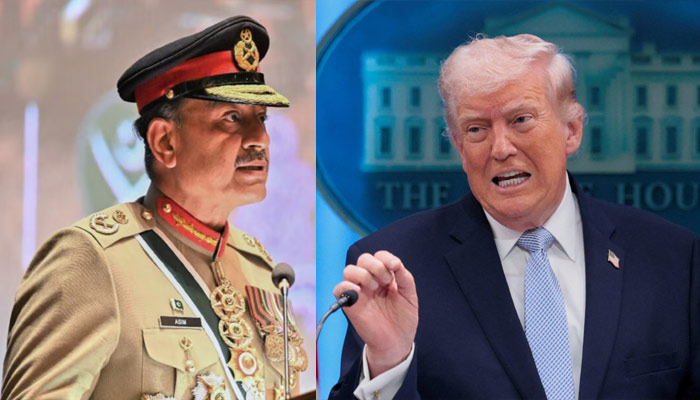
Donald Trump’s public praise for Asim Munir—including reportedly calling him his “favourite field marshal”—is increasingly clashing with concerns within parts of the US national security establishment over the general’s alleged links to Iran’s military leadership.
Reports, including those by Fox News, suggest that some officials and regional analysts view these ties as a potential red flag, particularly as Munir is believed to be acting as a backchannel between Washington and Tehran.
Iran Links Under Scrutiny
Munir’s perceived role as an intermediary in US-Iran engagement has drawn attention, but critics argue it is complicated by his reported proximity to figures within Iran’s Islamic Revolutionary Guard Corps (IRGC).
Retired Pakistani general Ahmed Saeed told Fox News Digital that Munir maintained personal relationships with senior Iranian commanders, including former Quds Force chief Qassem Soleimani and IRGC head Hossein Salami.
Such reported links, analysts say, could complicate his role by placing him at the intersection of competing strategic interests.
Legacy of Distrust
The scepticism is also rooted in longstanding US concerns over Pakistan’s role in regional security, particularly during the Afghanistan war.
Critics have often described Islamabad as an inconsistent partner, citing allegations that it received US support while tolerating Taliban-linked networks. Analysts at the Foundation for Defense of Democracies (FDD), including senior fellow Bill Roggio, argue that Pakistan’s military establishment should be approached with caution given its past conduct and shifting alignments.
Roggio has emphasised that Pakistan’s record in Afghanistan should inform current policy decisions, warning that its reliability as a partner has at times been contradictory.
A Strategic Balancing Act
For US policymakers, the situation presents a delicate balance—managing Trump’s personal rapport with Munir while weighing broader intelligence concerns about Pakistan’s regional ties, particularly with Iran.
As tensions continue to evolve across the Middle East and South Asia, the debate remains unresolved: whether Munir serves as a valuable diplomatic conduit between Washington and Tehran, or a potential strategic risk in an already complex geopolitical landscape.
Comments are closed.