
Is Our Planet Heating Beyond Survival? Expert Explains the Science

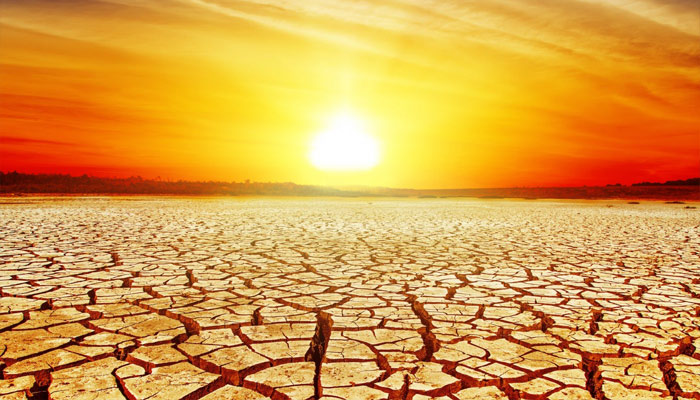
Is Earth Really Getting Too Hot to Live On? A Scientist Explains Climate Change
My parents said the planet is getting too hot for people to live here. They called it climate change. What does that mean?
Most Places Won’t Become Too Hot to Live In
It’s true that many countries have experienced unusually hot weather recently. But for most places where people live — especially dry regions — Earth is not becoming too hot for humans to survive.
That’s because our bodies are very good at cooling down. When we get hot, we sweat. In dry air, sweat evaporates quickly, helping release heat from our skin.
Why Heat + Humidity Can Be Dangerous
Some places, however, face a different problem: high heat and high humidity at the same time.
Areas where hot deserts meet warm oceans — such as parts of the Middle East, Pakistan and India — can experience extreme heat waves mixed with moist air blowing in from the sea. When it’s humid like this, sweat doesn’t evaporate well, so your body can’t cool itself.
Millions of people living in these regions do not have air conditioning, which makes extreme heat even more dangerous.
To understand this risk, scientists use something called wet-bulb temperature. It’s measured using a thermometer wrapped in a damp cloth, with air blowing over it to show how well water can evaporate.
If the wet-bulb temperature ever goes above 95°F (35°C), the human body cannot cool down enough.
Even slightly lower levels can still be dangerous if the heat lasts for many hours.
Examples:
In 2023, the lower Mississippi Valley reached very high wet-bulb temperatures, though not deadly.
In May 2024, Delhi hit air temperatures over 120°F (49°C). Wet-bulb levels came close to the danger zone, and several people died from suspected heatstroke.
During events like this, everyone must take serious precautions.
So… Is This Because of Climate Change?
Yes — and here’s how it works.
When people burn coal, oil, or gasoline, it releases carbon dioxide (CO₂). This gas traps more of the Sun’s heat near Earth’s surface.
- That trapped heat is what we call climate change.
- Every bit of fossil fuel burned raises Earth’s temperature a little more. As the planet warms:
- Dangerous heat and humidity spread to new areas.
- The U.S. Gulf Coast (Louisiana and Texas) faces more hot, humid days.
- Irrigated farmland in the Southwest adds moisture to the air and increases heat stress.
- Climate Change Does a Lot More Than Make It Hot
Warming temperatures affect many parts of the planet:
Wildfires
Hot air dries out plants, forests, and soil, making fires easier to start and harder to stop. In some parts of the western U.S., every 1°C of warming can increase wildfire activity sixfold.
Rising Seas
Warm water expands and melts glaciers, raising sea levels. Up to 2 billion people could be pushed out of coastal areas by 2100.
Economic Damage
If we keep burning fossil fuels, global incomes could fall by about 25% by the end of this century.
The Bad News — and the Good News
Bad news:
The more carbon we burn, the hotter the planet gets.
Good news:
We already have the tools to stop it.
Clean energy — like solar and wind power — can replace fossil fuels. Over the past 15 years, clean energy has become cheaper, more reliable, and available worldwide. Almost every country has agreed to act to prevent the worst effects of climate change.
Just as society once upgraded from outhouses to indoor plumbing, we can upgrade again — this time from coal, oil, and gas to clean energy — and keep Earth safe and livable.
Comments are closed.