
Jaishankar on US Move to Tax Russian Oil Buyers: ‘We’ll Deal With It When the Time Comes’

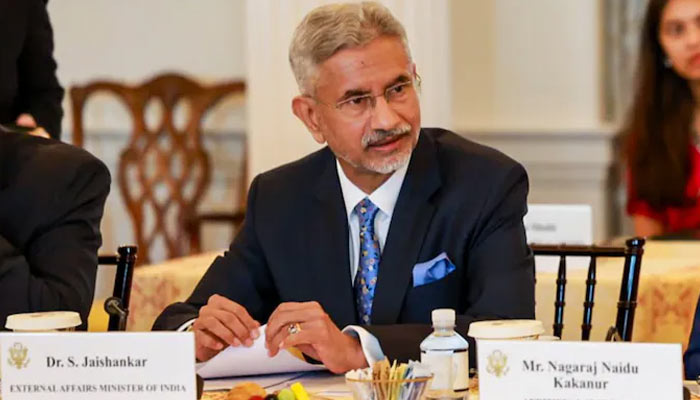
Jaishankar on US Tariff Threat Over Russian Oil: “We’ll Cross That Bridge If We Come to It.”
External Affairs Minister S. Jaishankar, during his ongoing visit to the United States, addressed growing concerns around a proposed US bill that could impose a 500% tariff on imports from countries continuing trade with Russia — including India. He confirmed that India has already conveyed its energy security concerns to US Senator Lindsey Graham, who introduced the legislation.
Speaking at a press conference in Washington, Jaishankar said, “Our concerns and our interests in energy security have been made conversant to him [Graham]. So, we will then have to cross that bridge when we come to it, if we come to it.”
What’s the Bill About?
The proposed bill, now gaining support from former President Donald Trump, seeks to impose a massive 500% import tariff on goods from countries like India and China, which continue to import Russian oil. Graham has cited that both countries collectively account for over 70% of Russia’s oil exports, providing key revenue for Moscow amid the ongoing Ukraine war.
The bill is being viewed as a pressure tactic by Washington to curtail global support for Russian oil and push for a resolution in the Ukraine conflict.
How Will It Affect India?
If enacted, the bill could severely impact India’s exports to the US — already under pressure due to a previously announced 26% reciprocal tariff by the Trump camp. Indian negotiators are currently working to finalise a trade agreement with Washington, which could help mitigate such tariff shocks.
Crucially, India has ramped up its oil imports from Russia, sourcing roughly 40–45% of its crude needs from there. In May 2025, India’s Russian oil imports reached a 10-month high of 1.96 million barrels per day, overtaking traditional suppliers from the Gulf.
This shift began in 2022, following Russia’s invasion of Ukraine and the resulting Western sanctions. Russia offered discounted crude oil, which Indian refiners were quick to adopt — helping to manage domestic energy prices and inflation.
Diplomatic Dialogue Ongoing
Jaishankar emphasized that India closely monitors developments in the US Congress that may affect Indian interests. The Indian Embassy and trade officials are maintaining active contact with both Senator Graham and relevant US agencies.
The minister also made it clear that India will continue to prioritize its energy security while engaging in constructive dialogue with its global partners.
As the bill moves through the legislative process, its potential implications could reshape India-US trade dynamics — and test New Delhi’s balancing act between strategic autonomy and geopolitical alignment.
Comments are closed.