

5 Major Causes of Jaundice You Shouldn’t Ignore.
The sudden passing of actor Robo Shankar, who was reportedly undergoing treatment for jaundice, has highlighted the seriousness of this condition. Often underestimated, jaundice can signal serious health issues if left untreated.
What Is Jaundice?
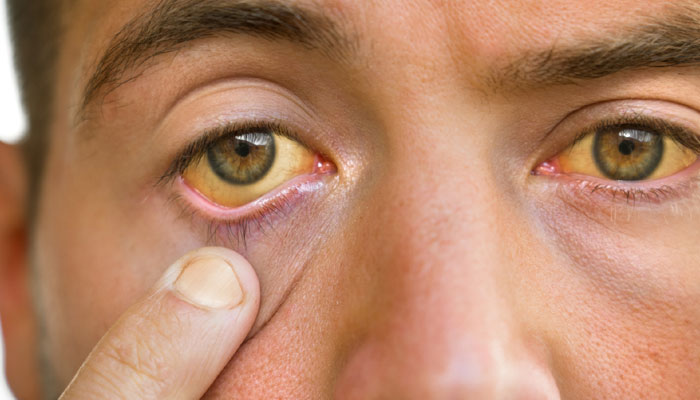
Jaundice is identified by yellowing of the skin and eyes, caused by elevated bilirubin levels in the blood. It is usually a symptom of an underlying problem rather than a disease itself, often linked to liver dysfunction, blood disorders, or reactions to certain medications.
- Common Symptoms
- Fever, fatigue, nausea
- Upper abdominal pain
- Dark-colored urine
- Yellowing of the skin and eyes
5 Major Causes of Jaundice
Liver Infections (Hepatitis A-E): Viral infections like Hepatitis A impair liver function, disrupting bilirubin processing. Chronic liver diseases like cirrhosis and autoimmune disorders can also contribute.
Rapid Red Blood Cell Breakdown (Hemolysis): Conditions that destroy red blood cells faster than normal—such as infections, autoimmune disorders, or drug reactions—raise bilirubin levels, causing jaundice.
Bile Duct Obstruction: Blockages from gallstones, tumors, or inflammation can prevent normal bile flow, leading to bilirubin accumulation.
Alcohol-Induced Liver Damage: Excessive alcohol consumption damages liver cells, causing chronic liver disease and impairing bilirubin metabolism.
Medications, Toxins, and Other Factors: Certain drugs, steroids, chemicals, genetic disorders, pregnancy-related hormonal changes, and some cancers can disrupt bilirubin processing.
How to Protect Yourself
Get Vaccinated: Hepatitis A vaccination is highly effective.
Consume Safe Food and Water: Use boiled or bottled water and avoid undercooked or street food.
Follow Hygiene Practices: Wash hands thoroughly, especially before meals and after using the restroom.
Avoid Sharing Personal Items: Don’t share utensils, food, or drinks, particularly with someone who is ill.
Jaundice is preventable and treatable if caught early. Never ignore warning signs—seek prompt medical attention to avoid serious complications.
Comments are closed.