
Jaundice Cases Rising Year-Round: Hidden Daily Triggers to Watch Out For

Most people grow up believing that jaundice strikes only during certain seasons—especially the monsoon—or that it mainly affects infants.
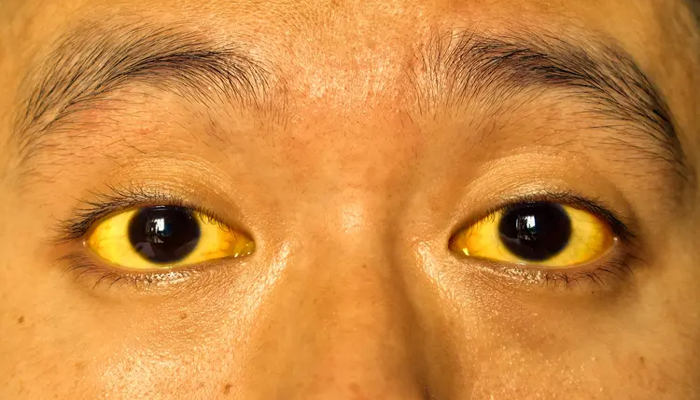
In reality, jaundice today can occur anytime and in any age group. It happens when bilirubin builds up in the body, turning the eyes and skin yellow. Importantly, jaundice itself is not a disease but a warning sign of underlying issues in the liver, bile ducts, or blood.
Dr Ajay Yadav, Director & Head, GI Surgery, Max Hospital, Lucknow, explains how jaundice has evolved into a year-round concern and why modern lifestyles are largely to blame.
Why Jaundice Is Rising Year-Round
1. Lifestyle and Diet: The New Epidemic
A major driver of jaundice today is Non-Alcoholic Fatty Liver Disease (NAFLD/MASLD). Closely linked to obesity and poor diet, this condition is fuelled by:
- Processed and packaged foods
- Sugary beverages and sweets
- Fast food and deep-fried items
These habits overload the liver, causing fat buildup, inflammation, scarring—and eventually, jaundice.
A sedentary lifestyle makes things worse. Long hours of sitting, limited movement, and low physical activity slow metabolism, increase insulin resistance, and accelerate liver damage.
Alcohol consumption is another constant trigger. Heavy drinking throughout the year can lead to alcoholic hepatitis or cirrhosis, with jaundice often appearing as an early sign.
2. Medications and Environmental Toxins
- Several everyday substances can harm the liver:
- Overuse or misuse of common drugs like paracetamol
- Unregulated herbal or over-the-counter supplements
- Exposure to pesticides, cleaning chemicals, and industrial fumes
These toxins accumulate over time, weakening the liver’s ability to detoxify and increasing the risk of jaundice.
3. Year-Round Infectious and Behavioral Risks
Hepatitis B and C—which spread through unsafe sex, shared needles, and unsterile tattoo/medical equipment—pose continuous risk.
Similarly, Hepatitis A and E spread through contaminated food and water at home, in restaurants, or during travel. These infections are not limited to any season.
4. Hidden Factors: Stress, Sleep & Hormonal Health
Chronic stress and poor sleep weaken immunity and disrupt metabolism, leaving the liver vulnerable.
Hormonal and immune-related conditions—such as thyroid disorders and autoimmune hepatitis—can also impair liver function and lead to jaundice.
What You Can Do
Jaundice today reflects how daily choices shape liver health. Dr Yadav stresses that prevention requires consistent habits:
- Eat a balanced, minimally processed diet
- Stay active and avoid prolonged sitting
- Use medications responsibly
- Limit alcohol intake
- Reduce exposure to chemicals
- Keep vaccinations up to date
- Seek medical care at the earliest signs of fatigue or yellowing eyes
- Protecting your liver isn’t seasonal—it’s a year-round commitment to healthier living.
Comments are closed.