
Karva Chauth 2025: Is Fasting Safe for Pregnant Women? Experts Explain

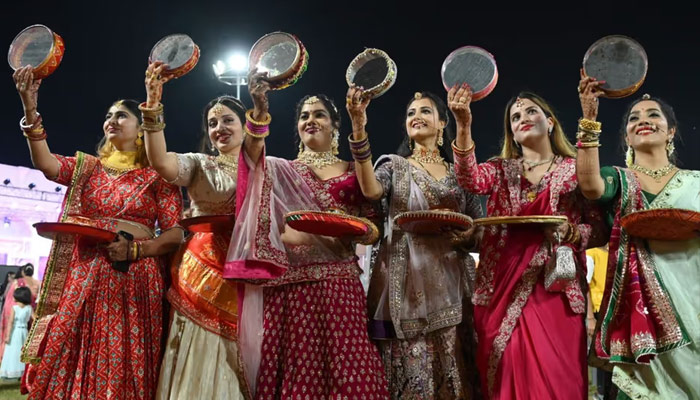
Karva Chauth is a significant Hindu festival in which married women traditionally observe a waterless fast, praying for their husbands’ long lives, and break it after moonrise following a puja.
While this centuries-old ritual is widely followed, it can pose health risks for pregnant women due to the increased nutritional and hydration needs during pregnancy. Dr Sonia Rawat, Director of the Preventive Health and Wellness Department at Sir Ganga Ram Hospital, New Delhi, told News18 that fasting without water or food for long periods can lead to dehydration, fatigue, and low blood sugar, potentially affecting both mother and baby.
“Pregnant women require more water to maintain amniotic fluid, proper digestion, and blood volume. A strict waterless fast increases the risk of dehydration, which can impact fetal growth and cause dizziness, headaches, or exhaustion,” Dr Rawat explained.
Maintaining blood sugar levels is also crucial. Prolonged fasting may cause drops in sugar, resulting in sudden weakness, fainting, or anxiety. Women with gestational diabetes are especially at risk, making medical consultation essential before attempting the fast.
Experts advise that pregnant women should only observe Karva Chauth fasting if they are fully healthy and have consulted a doctor. Safer alternatives include fasting with water, fruits, or liquids rather than a strict waterless fast.
If a pregnant woman experiences discomfort such as dizziness, vomiting, or headaches, she should break the fast immediately. Doctors emphasize prioritizing health while still observing the essence of Karva Chauth in a flexible and safe manner.
Comments are closed.