
Lavrov Dismisses US Claims on India’s Russian Oil Imports: ‘Heard It Only From Trump’

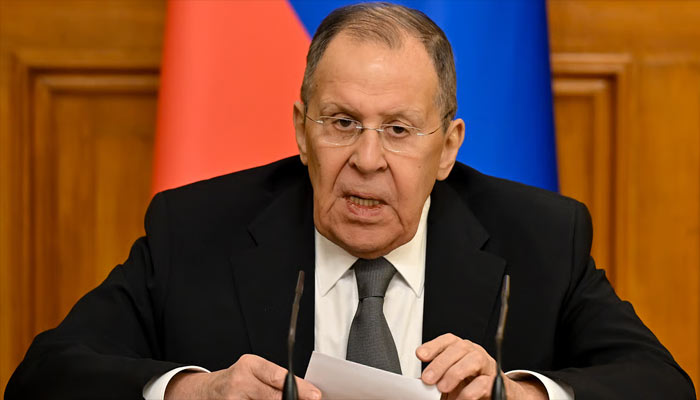
Russia on Wednesday rejected US President Donald Trump’s claim that India would stop purchasing Russian energy, saying no such assurance has been made by New Delhi.
Russian Foreign Minister Sergei Lavrov told lawmakers in the State Duma that he had not heard any official statement from India confirming a halt to Russian oil imports. “You mentioned that Donald Trump announced India’s agreement to no longer purchase Russian oil. I have not heard such a statement from anyone else, including Prime Minister Modi and other Indian leaders,” Lavrov said in response to a question in Parliament.
Trump’s Claim on India-Russia Oil Trade
President Trump had earlier suggested that India would halt purchases of Russian oil as part of a broader India-US trade understanding. He also rolled back an additional 25 per cent tariff imposed on Indian goods, linking it to energy trade discussions.
The US President has repeatedly indicated that reducing Russian oil imports was among the conditions tied to progress on a trade agreement between Washington and New Delhi. However, there has been no official confirmation from India supporting that position.
Commerce Minister Piyush Goyal has maintained that trade agreements do not dictate energy sourcing decisions. “The trade deal anyway won’t discuss who will buy what and from where,” he said earlier, adding that such choices are guided by market dynamics and national energy security.
Russia Accuses US of ‘Coercive Measures’
Lavrov’s remarks come amid Russia’s broader criticism of US policy. A day earlier, he accused Washington of attempting to pressure India and other BRICS nations into reducing economic engagement with Moscow. “The US is attempting to control our trade, investment cooperation and military-technical ties with major strategic partners such as India,” Lavrov said, adding that such efforts had intensified under the Trump administration.
He alleged that countries were being discouraged from purchasing what he described as affordable Russian energy and instead being pushed toward more expensive alternatives. Lavrov also criticised US sanctions and tariffs, claiming they reflect an attempt to secure global economic dominance through what he called “coercive measures inconsistent with fair competition.”
The exchange underscores ongoing geopolitical tensions surrounding energy trade, sanctions and strategic partnerships amid shifting global alignments.
Comments are closed.