
Lifestyle Factors and Breast Cancer: What Women in Their 20s and 30s Need to Know

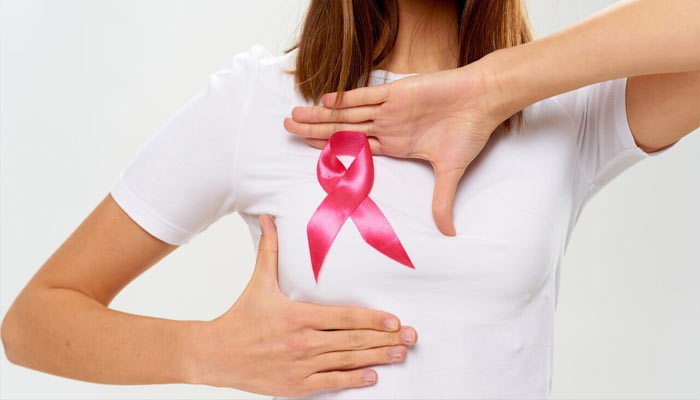
Breast cancer is often thought of as a disease affecting older women, but cases among women in their 20s and 30s are on the rise.
While genetics play a role, lifestyle choices have a major impact on breast health. Habits formed during early adulthood—such as diet, exercise, stress management, and sleep—can significantly influence the risk of developing breast cancer later in life. Dr. Sravan Kumar, Consultant in Medical Oncology and Bone Marrow Transplant at Manipal Hospitals, Vijayawada, shares key advice for young women to protect their breast health.
Keep a Healthy Weight
“Body weight is one of the strongest factors linked to breast cancer risk,” says Dr. Kumar. Excess fat tissue produces estrogen, which can increase the risk of certain types of breast cancer. Maintaining a healthy weight through regular exercise and a balanced diet helps regulate hormones and reduce inflammation. Even light activities such as walking, swimming, or yoga can make a meaningful difference.
Alcohol, Smoking, and Hidden Risks
Alcohol and smoking are often overlooked but can raise breast cancer risk. Alcohol increases estrogen levels and can damage cells, while smoking introduces harmful carcinogens. Limiting alcohol intake and avoiding smoking are simple yet effective ways to protect breast health.
Eat for Protection
A nutrient-rich diet with plenty of fruits, vegetables, whole grains, and lean proteins supports overall health and reduces oxidative stress in breast tissue. Dr. Kumar recommends minimizing processed foods, refined sugars, and saturated fats to maintain hormonal balance and a healthy metabolism.
Manage Stress and Prioritize Sleep
Chronic stress and poor sleep can disrupt hormone levels and weaken the immune system, increasing vulnerability to disease. Simple practices such as deep breathing, journaling, or spending time in nature can help manage stress and support overall well-being.
Stay Aware and Take Action
Even though routine mammograms are generally not recommended for women under 40, breast awareness is crucial. Regular self-exams and prompt medical attention if any unusual changes are noticed can aid early detection and improve outcomes.
The choices made in your 20s and 30s can have lasting effects on breast health. By maintaining a balanced lifestyle, staying active, eating well, managing stress, and being vigilant, young women can take proactive steps to lower their risk of breast cancer.
Comments are closed.