
Lough Neagh, UK’s Largest Lake, Faces Ecological Threat from Toxic Algae

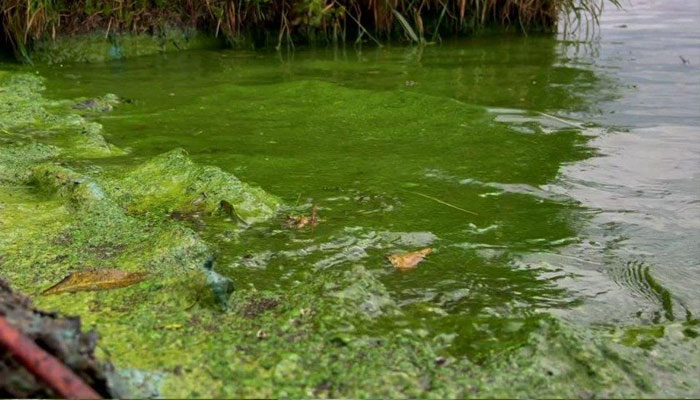
Lough Neagh “Dying” as Toxic Algae Chokes UK’s Largest Lake
For the third consecutive year, toxic blue-green algae has blanketed Lough Neagh, the UK and Ireland’s largest lake, creating a thick, green “pea soup” layer that’s visible even from space. This summer, locals say, the bloom has worsened, raising alarm over wildlife, recreation, and drinking water safety.
“The lake is dying,” said Mary O’Hagan, an open-water swimmer from Ballyronan, as algae-coated stones made swimming impossible. Fishing has been decimated, watersports curtailed, and bathers barred along much of the lake’s 78-mile shoreline.
Experts point to a combination of industrial, agricultural, and sewage pollution, as well as climate change, for the algae explosion. Fertilizer and slurry run-off from farms serving companies like Moy Park, alongside untreated sewage, are among the suspected contributors, though the company denies any wrongdoing.
Compounding the problem, invasive zebra mussels—while filtering water—also accelerate algal growth. Fish populations, including trout and eels, have crashed. Europe’s largest eel fishery, located on the lake, suspended operations this year. Local fisherman Mick Hagan lamented, “This is the first generation in my family not fishing for eels in Lough Neagh.”
Tourism and small businesses are also suffering. Paddleboard operator Gavin Knox described canceled bookings and the foul stench driving visitors away. Meanwhile, campaigners like O’Hagan are demanding stronger action, including fines for polluters and an independent environmental watchdog.
The Northern Ireland government launched a cleanup plan last July, but less than half of the measures have been implemented, with timelines extending into 2026. With 40% of the region’s drinking water supplied by Lough Neagh, authorities face growing pressure to act before the crisis deepens.
Comments are closed.