
Monsoon Session Expected to Begin July 20; Women’s Quota, Delimitation Bills Likely

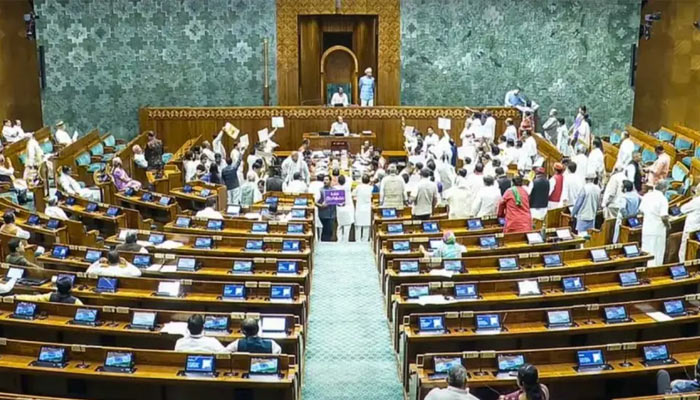
The Monsoon Session of Parliament is likely to begin on July 20 and continue until August 13, with the government expected to hold 19 sittings over four weeks, sources said.
The session is expected to feature an ambitious legislative agenda, including the likely reintroduction of the 131st Constitutional Amendment Bill on women’s reservation and delimitation. According to sources, the revised Bill may include a proposal to increase the strength of the Lok Sabha and State Legislative Assemblies by 50%.
The Centre is also expected to push ahead with the One Nation, One Election proposal after the Joint Parliamentary Committee examining the legislation was granted more time to submit its report. Amendments to the Foreign Contribution (Regulation) Act (FCRA) are also likely to be introduced.
Other key Bills that could come up during the session include the Viksit Bharat Shiksha Adhishthan Bill, anti-doping reforms, a proposal to increase the sanctioned strength of Supreme Court judges, corporate law amendments and the Securities Market Code.
Opposition to target government on key issues
The Opposition is expected to use the session to corner the government on several national issues, including the deficient monsoon, drought and flood situations, the NEET paper leak controversy, the alleged theft of offerings at the Ram Temple, rising petrol and diesel prices, inflation and unemployment.
It is also likely to raise concerns over the Special Intensive Revision (SIR) of electoral rolls and accuse the government of engineering splits within regional political parties.
Fresh political equations ahead of the session
The Monsoon Session will also take place amid significant political realignments that are expected to alter the composition and seating arrangement in the Lok Sabha.
Before the House convenes, Lok Sabha Speaker Om Birla is expected to decide on petitions seeking the merger of 20 rebel Trinamool Congress MPs with the Nationalist Congress Party of India (NCPI), as well as six MPs from Uddhav Thackeray’s Shiv Sena faction with Eknath Shinde-led Shiv Sena.
Meanwhile, the recent political split between the DMK and the Congress following the latter’s alliance with Tamilaga Vettri Kazhagam (TVK) has added another dimension to the evolving parliamentary landscape. The DMK has reportedly requested the Speaker to allocate its MPs seats away from the Congress benches.
If the proposed mergers are approved, they could strengthen the NDA’s position in the Lok Sabha while reducing the Opposition’s numbers. The INDIA bloc is expected to lose the support of 20 Trinamool Congress MPs, six Shiv Sena (UBT) MPs and 22 DMK MPs, reshaping the balance of power inside the House.
With major legislative proposals on the government’s agenda and the Opposition preparing to press for discussions on a range of political and economic issues, the Monsoon Session is expected to be one of the most closely watched parliamentary sittings of the year.
Comments are closed.