
Netanyahu Falls Short Of Majority As Arab Parties Gain Kingmaker Role In Israel

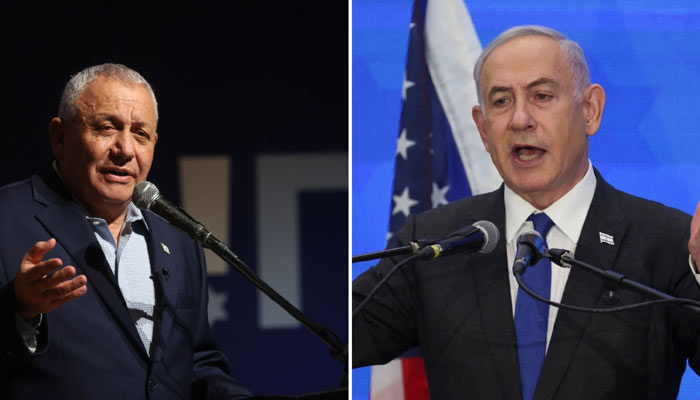
Israel Election: Netanyahu’s Right-Wing Bloc Secures 53 Seats, Arab Parties Hold Key To Government Formation
Israel’s 2026 parliamentary election has produced a politically uncertain outcome, with Prime Minister Benjamin Netanyahu’s right-wing bloc failing to reach the majority needed to form the next government. The final results show Netanyahu’s alliance winning 53 seats in the 120-member Knesset, while opposition parties secured 48 seats. Arab-led parties, which collectively won 19 seats, have consequently emerged as influential players in the post-election negotiations.
According to the final figures released by Israel’s Central Elections Committee on Thursday, neither of the two major blocs crossed the 61-seat threshold required to establish a parliamentary majority. The results, reported by The Jerusalem Post, have opened the door to complex coalition negotiations and raised questions about Netanyahu’s political future.
His Likud party is expected to finish with 27 seats, making it the largest individual party in the Knesset. However, its lead over other parties has not translated into enough support to guarantee another term in office.
Arab-Led Parties Could Determine Israel’s Political Direction
The combined strength of Arab-led parties has placed them in a potentially decisive position. Their 19 parliamentary seats could influence key decisions, even if they remain outside any formal governing coalition.
One immediate possibility involves cooperation with opposition parties to replace the Knesset speaker. Control of the speaker’s position could give the opposition greater influence over parliamentary proceedings, legislative priorities and the scheduling of important votes.
Ahmad Tibi, the second candidate on the Arab-led Joint List, told Army Radio that opposition representatives had contacted him to discuss replacing the Knesset speaker. He said his party would back the opposition bloc’s nominee. Such an arrangement could allow Arab lawmakers to play a significant role in parliamentary politics before a new government is even formed.
Eisenkot Open To Working With Arab Parties
Former military chief Gadi Eisenkot, Netanyahu’s principal rival in the election, has indicated that he is open to cooperating with Arab-led parties under certain conditions. The possibility of an understanding between opposition groups and Arab lawmakers could reshape the balance of power in the Knesset. However, the precise terms of any political arrangement remain unclear.
With 48 seats, the opposition bloc needs additional parliamentary backing to challenge Netanyahu’s alliance. Arab-led parties could therefore become central to negotiations over leadership positions and legislative decisions.
Netanyahu Faces Questions Over Corruption Cases And October 7 Attack
The election outcome could have significant consequences for Netanyahu beyond the immediate question of government formation. If he loses office, his long-running corruption cases are likely to remain a major political and legal concern. His handling of the security failures surrounding the October 7, 2023, Hamas-led attack could also come under renewed scrutiny.
The possibility of a formal investigation into the failures preceding the attack is expected to remain an important issue in Israel’s political debate.
Netanyahu has faced sustained criticism over the government’s responsibility for the security breakdown, making the question of accountability a significant factor in the country’s post-election politics.
Likud Alleges Election Interference, Opposition Condemns Remarks
As the final results showed Netanyahu’s bloc falling short of a majority, his Likud party amplified allegations that Arab-led parties had stolen the election, possibly with foreign assistance.
No evidence substantiating these allegations has been presented in the claims described.
Opposition leaders accused Netanyahu’s camp of attempting to discredit Arab voters following the strong performance of Arab-led parties. They argued that targeting the Arab population could undermine confidence in the electoral process and deepen political divisions.
The dispute has added to tensions surrounding the election results, with competing political camps offering sharply different interpretations of the outcome.
Fresh Elections Possible If Parties Fail To Form Government
Israel now faces a potentially prolonged period of coalition negotiations. Netanyahu’s right-wing bloc has 53 seats, the opposition has 48, and Arab-led parties hold the remaining 19 seats.
The next steps will depend on whether political leaders can reach agreements that provide sufficient parliamentary support for a functioning government.
If negotiations collapse and no coalition is formed, Israel could head towards another general election early next year.
For Netanyahu, the results represent a serious parliamentary challenge. For Arab-led parties, the 19-seat tally has created an opportunity to exert greater influence over the Knesset’s leadership and legislative direction.
Comments are closed.