
New Study Warns Ocean Acidification Has Reached Dangerous Levels

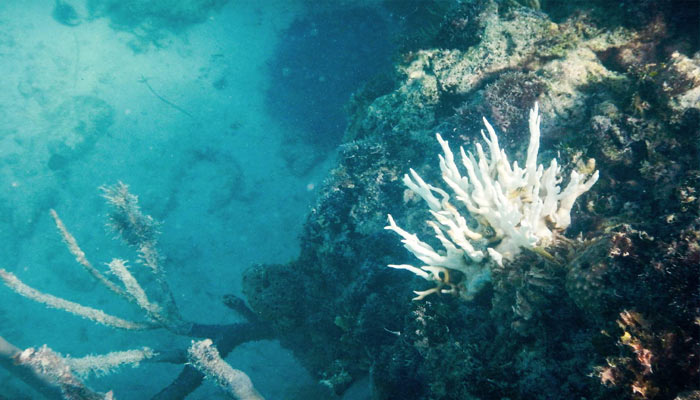
Oceans Enter Danger Zone as Acid Levels Rise, Warns New Global Study.
Earth’s oceans may have entered a critical “danger zone” due to increasing acidification driven by carbon emissions, a new study has warned. According to research published in Global Change Biology on June 9, 2025, acidification levels likely crossed safe planetary boundaries around 2020 — far earlier than expected.
What the Study Found
Scientists now believe that the damage to ocean chemistry caused by excess carbon dioxide (CO₂) is worse than previously thought. The study reveals that the absorption of industrial CO₂ — largely from burning fossil fuels — has made the oceans more acidic at a faster rate, threatening marine ecosystems.
“Oceans have been buffering us from the worst effects of climate change,” researchers said, “but they’re now under immense stress.”
How Ocean Acidification Works
When CO₂ is released into the atmosphere, a large portion of it is absorbed by the oceans. This creates carbonic acid, which lowers the pH of seawater and reduces the availability of carbonate ions. These ions are vital for marine organisms like corals, mollusks, and some plankton to form shells and skeletons. Without them, entire marine food chains are at risk.
Danger Zone Reached in 2020
The study indicates that the current level of aragonite saturation — a key measure of ocean health — has declined by more than 19% compared to pre-industrial levels. That threshold, scientists say, marks a crossing into the “danger zone” for ocean acidification.
This breach of Earth’s planetary boundary means the ocean’s ability to support life, regulate climate, and sustain fisheries is now in jeopardy.
Global Consequences
Ocean acidification can:
Disrupt coral reefs and marine habitats
Reduce fish populations
Threaten food security for coastal communities
Harm economies that depend on tourism and fisheries
“This is a silent crisis,” the study’s authors warned, “and its consequences will be far-reaching if urgent global action isn’t taken.”
The Path Ahead
Experts stress the need for rapid reductions in global carbon emissions to slow the acidification process. Protecting ocean health, they argue, is essential not just for marine biodiversity — but for the survival and stability of communities worldwide.
Comments are closed.