
No Deal in Islamabad: Iran Slams US ‘Excessive Demands’ on Nukes, Hormuz

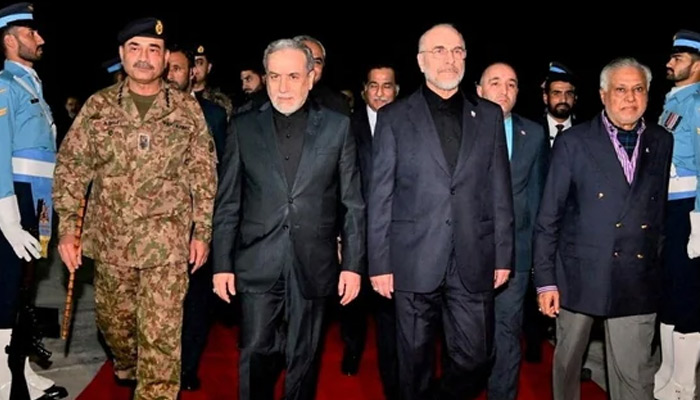
Talks between United States and Iran in Islamabad ended without a breakthrough after nearly 21 hours of negotiations, with both sides blaming each other for the collapse.
Iranian state media said the discussions broke down due to what it called “unreasonable” and “excessive” demands from Washington. According to reports from state outlets, major sticking points included Iran’s nuclear programme, sanctions relief, war-related issues, and control over the Strait of Hormuz.
Iran blames US demands
State broadcaster IRIB said Tehran’s delegation engaged in prolonged, intensive negotiations in an effort to secure national interests, but the US position prevented progress. Officials maintained that despite multiple proposals from Iran, the talks could not move forward.
Iranian agencies also indicated that there would be no shift in Tehran’s stance on the Strait of Hormuz unless a “reasonable” agreement is reached. Sources close to the negotiations suggested the US was pushing for terms it could not achieve through military pressure—conditions Iran ultimately rejected.
Foreign ministry spokesperson Esmaeil Baqaei confirmed that discussions covered a wide range of issues, including nuclear rights, sanctions, regional conflict and the Hormuz passage, but failed to yield a deal.
Tensions remain high
The deadlock comes amid heightened tensions in the region. Iran’s position on Hormuz—one of the world’s most critical oil transit routes—remains unchanged, even as US naval activity in the area continues.
Tehran signalled it is not under pressure to rush negotiations, stressing that any agreement would depend on recognition of its “legitimate rights” and a rollback of what it termed unlawful demands.
US says ‘no agreement’, leaves door open
From the American side, Vice President JD Vance confirmed that the delegation was leaving Pakistan without a deal, though he suggested talks had not entirely broken down.
Vance said there had been some progress in discussions but acknowledged that the two sides could not agree on key terms. He added that Washington had presented what it considers a “final” proposal and indicated that the next move lies with Iran.
While the US described its approach as “flexible,” it maintained that Iran was unwilling to accept the terms on offer.
Uncertain path ahead
With both sides standing firm, the collapse of the Islamabad talks underscores the deep divisions that remain over nuclear policy, sanctions and regional security. Whether negotiations resume will likely depend on shifts in position from either side—but for now, the diplomatic process appears stalled, with tensions continuing to simmer.
Comments are closed.