

Gill Can’t Lead Like Kohli—And He Shouldn’t Try To
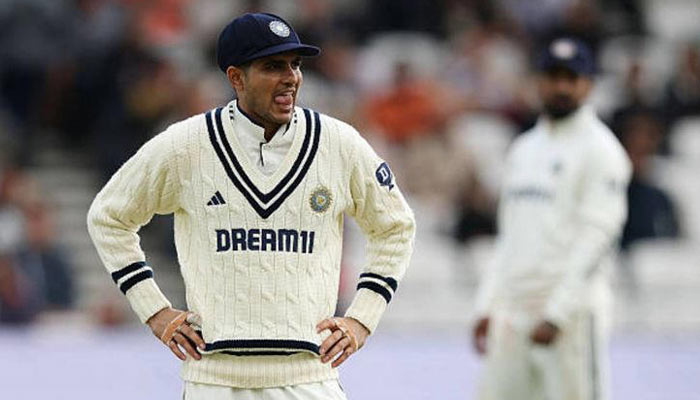
It wouldn’t be a stretch to say that Shubman Gill, since taking over as India’s Test captain, is walking a path remarkably similar to Virat Kohli’s. He’s moved to the No. 4 spot — Kohli’s old fortress — and in doing so, has produced some of his best knocks in the series against England. But beyond the batting order, it’s the body language that draws attention.
At Edgbaston, Gill’s roar after reaching a milestone felt like a near-copy of Kohli’s century celebration at the same venue in 2018 — fist pump, primal scream, and all. It was a moment that seemed less about Gill and more about who he was trying to be.
That may be a harsh reading, but there’s reason to believe this shift isn’t just superficial. His game, at times, seems to be bearing the weight of this transformation. It’s entertaining to be the aggressor — until the fire you light starts to burn back. Kohli thrived in confrontation. For Gill, the jury is still out.
Before captaining his first Test, Gill said he didn’t want to imitate anyone. “I want to be my own man,” he claimed. But the question now is: has he already started imitating, consciously or otherwise?
There’s been a clear shift in how Gill carries himself on the field. His usual composure has given way to more confrontation. And teams like England are all too happy to play that game. As Ben Stokes showed on the final day at Lord’s, the opposition doesn’t just absorb that energy — it feeds off it.
The Perils of Playing Firestarter
History offers a valuable lesson here. Virender Sehwag once tried to model his batting on Sachin Tendulkar. It didn’t work — until Sehwag found his own rhythm, and redefined what dominance at the top meant. For Gill, the parallels are instructive.
Take the Crawley incident on Day 3 — a fiery exchange that many felt tilted the emotional scale of the match. According to former cricketers like Sanjay Manjrekar and Mohammad Kaif, it was a misstep.
“Gill suddenly looking tentative last evening had a lot to do with the hostility he got from England,” Manjrekar posted on X. “Virat performed better, the angrier he got. Dhoni is the opposite. Gill has to figure out what gets the best out of him — calmness or anger.”
Kaif went further, saying the Crawley moment sparked England’s fightback. “It charged Stokes, and he responded with a brilliant spell. Players must stick to the attitude that suits them. Gill might learn that the hard way.”
Even Stuart Broad, speaking on Sky Sports, picked up on the shift in energy. “That one over targeting Crawley fired up Stokes,” he said. “It was great theatre, but Stokes didn’t like seeing one of his players isolated and under siege.”
Gill, however, saw it differently. “Five minutes can’t define five days of work,” he said in the post-match presser. “If you ask me about key moments, that wouldn’t even be in my top five. Rishabh’s run-out was far more crucial. At one point, we felt we could get a 50–100 run lead — that would’ve changed everything.”
Fair point. But the problem with passion is, once you put it on display, it’s hard to take it back — and even harder to control how it’s received.
Identity Over Imitation
To be clear, Gill isn’t wrong to bring edge and emotion to his captaincy. What’s risky is borrowing someone else’s blueprint. Kohli’s aggression was authentic — honed through years of personal battles and public scrutiny. Gill’s calm, at his best, is equally potent. But only if he owns it.
Leadership isn’t just about intent. It’s about identity. With two Tests still to go, Gill has time — to win the series, and more importantly, to settle the question of who he wants to be as captain. India doesn’t need another Kohli. It needs a Shubman Gill who knows his own voice — and trusts it enough to lead with it.
Comments are closed.