
Over 80% of Ships Avoid Strait of Hormuz, Raising Questions Over Iran’s Control

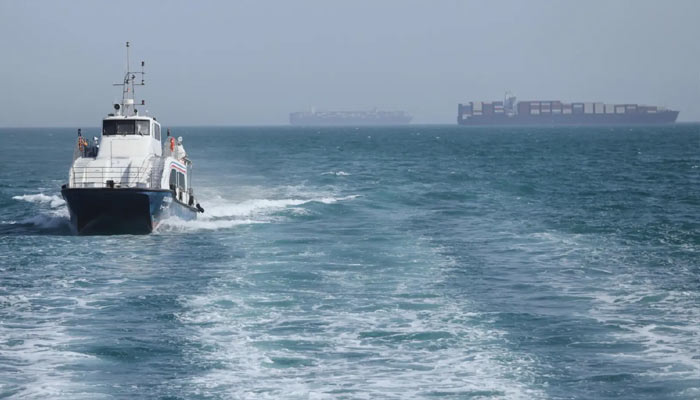
The Strait of Hormuz has become a major flashpoint in the Iran war, with both Tehran and Washington claiming dominance over the strategic waterway. But shipping data suggests that neither side has complete control.
According to Kpler data cited by CNN, more than 80% of vessels passing through the strait over the past two weeks have used a route along the Omani side. The route is authorised by the United Nations but has been opposed by Iran.
The sharp increase in traffic on the Omani side indicates that Tehran may have lost some of its ability to dictate how ships navigate the strait. Kpler’s head of crude oil analysis, Homayoun Falakshahi, said the trend suggested Iran had “at least partially lost control” of the waterway.
Omani Route Gains Importance
The Omani route was barely used a month ago, according to Kpler. Iran has previously claimed control over navigation in the strait and attacked vessels attempting to use routes near Oman’s northern coast.
However, commercial shipping has increasingly shifted towards the Omani side, with vessels relying in part on US naval forces for protection.
The change is also limiting Iran’s ability to collect transit charges. Tehran had sought to impose tolls on vessels passing through Hormuz, but the growing use of routes outside its preferred area has made such efforts more difficult.
Iran can still threaten shipping and disrupt maritime traffic, but its ability to prevent vessels from using alternative routes appears to have weakened.
Oil Tankers Take Precautions
Gulf oil producers are also adapting their shipping strategies. Kuwait, Saudi Arabia and the UAE have reportedly hired Very Large Crude Carriers to transport oil through Hormuz before transferring the cargo to other tankers in the Gulf of Oman.
Some tankers have switched off their transponders for days or even weeks to reduce the risk of Iranian attacks. This has created so-called “dark traffic”, making it harder for conventional tracking systems to determine the exact volume of oil moving through the region.
Satellite imagery can still identify some vessels, but tracking becomes more difficult when their identification signals are disabled.
US Claims Oil Movement Continues
Washington has maintained that significant volumes of oil are still moving through and around the waterway.
US President Donald Trump has claimed that the US has total control of Hormuz and has even said he wants to take control of the strategic passage. He also shared a map describing the strait as “new US territory.”
US Energy Secretary Chris Wright said oil shipments through Hormuz and cargoes rerouted around it reached around 15 million barrels per day over a one-week period.
That is below the roughly 20 million barrels per day that moved through the region before the war, but far higher than estimates suggesting that the waterway has effectively been shut.
The figures support the US argument that Iran has not succeeded in completely blocking Hormuz. However, they also fall short of proving that Washington has unrestricted control of the strait.
A Shifting Balance
The latest developments suggest that the struggle over Hormuz is more complicated than either side’s claims indicate.
Iran continues to pose a significant threat to commercial shipping and can raise the risks and costs of navigating the waterway. But the growing use of the Omani route shows that Tehran’s ability to control all maritime traffic has weakened.
At the same time, the presence of US naval forces has helped keep alternative shipping routes open, but does not necessarily amount to complete American control.
Iran and Oman are also holding separate discussions on navigation and freedom of movement through the strait. Any agreement between Tehran and Muscat could potentially reshape shipping patterns, although its impact remains uncertain.
Comments are closed.