
Paediatricians Warn: Fireworks Smog Poses Highest Risk to Infants

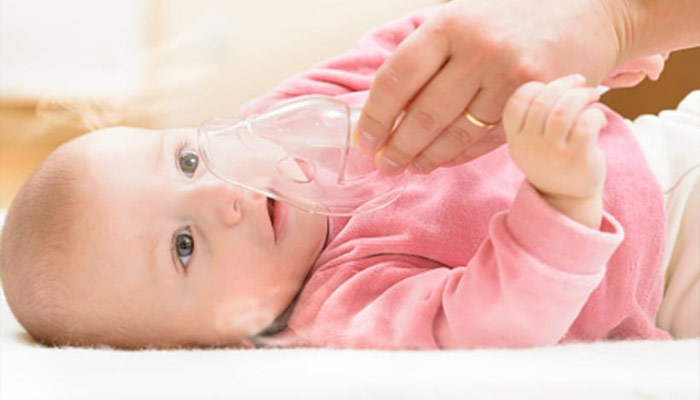
Why Babies Are Most at Risk from Post-Fireworks Smog, According to Paediatricians.
Festivals bring joy and light, but they also cause a sharp spike in air pollution. Nights of firecrackers leave the air thick with smog containing fine particles, toxic gases, and heavy metals. While poor air quality affects everyone, babies are particularly vulnerable due to their developing lungs, narrow airways, weaker immunity, and dependence on adults.
Narrow Airways, Greater Impact
“Smaller babies rely entirely on adults for protection and moving to safer environments. During festivals like Diwali and New Year, concentrations of PM 2.5 and PM 10, along with harmful gases and metals, rise sharply,” explains Dr Poonam Sidana, Director – Neonatology & Paediatrics, CK Birla Hospital, Delhi.
Because babies’ airways are narrower, even minor irritation or swelling can have a much greater impact than in adults. “It’s like a small pipe getting blocked more easily than a large one,” she adds.
Immature Immune System
Babies’ untrained immune systems make them more susceptible to infections. “Pollutants irritate the respiratory tract, allowing infectious agents to cling and cause infections. Recovery is slower, and the risk of respiratory illnesses rises,” says Dr Medha, Paediatrician at Madhukar Rainbow Children’s Hospital, Delhi.
Exposure to fireworks smog can worsen conditions like asthma and may increase the risk of long-term lung problems.
Indoor Air Quality Matters
Poorly ventilated indoor spaces can trap harmful particles, prolonging exposure. “Babies often stay in closed rooms, making it harder for caregivers to notice early distress,” notes Dr Sidana. “Unlike adults or older children, babies cannot express discomfort, so symptoms may go unnoticed until they worsen,” adds Dr Medha.
Steps to Reduce Risk
- Paediatricians recommend practical precautions:
- Keep babies indoors during peak smog hours
- Use air purifiers and maintain proper ventilation
- Avoid exposure to smoke and crowded outdoor spaces
- Maintain ideal indoor humidity levels
Post-fireworks smog is more than a seasonal nuisance for infants—it can be a serious health hazard. Awareness and proactive measures can help protect babies from both immediate and long-term effects of poor air quality.
Comments are closed.