
Pak-led mediation pushes US-Iran toward 45-day ceasefire, but breakthrough unlikely

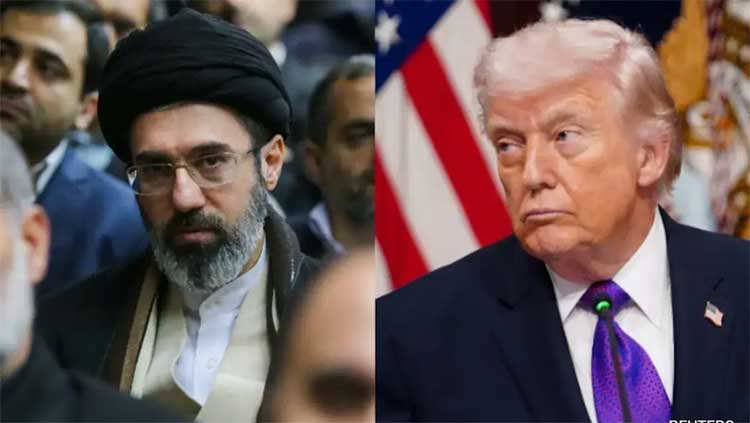
As tensions in the Middle East edge closer to a wider conflict, the United States, Iran and key regional intermediaries are racing to finalise a proposed 45-day ceasefire, though chances of a breakthrough remain slim.
Multiple sources told Axios that backchannel negotiations are ongoing, but officials see the next 48 hours as a critical — and possibly final — window to prevent a major escalation. Diplomats warn that failure could trigger large-scale strikes on Iranian civilian infrastructure and retaliatory attacks on vital energy and water facilities across Gulf nations.
The urgency has intensified following a deadline set by Donald Trump. Initially due to expire Monday, it was extended by 20 hours to Tuesday evening. While Trump has signalled that a deal is still possible, he has also warned of sweeping military action if talks collapse, including threats targeting Iran’s power and industrial infrastructure.
Behind the scenes, mediation efforts are being routed through Pakistan, Egypt and Turkey, alongside direct exchanges between US envoy Steve Witkoff and Iranian Foreign Minister Abbas Araghchi. Washington has reportedly floated multiple proposals, though none have been accepted by Tehran so far.
Two-stage ceasefire plan
The framework under discussion outlines a two-phase approach. The first would establish a 45-day ceasefire, creating space for negotiations toward a permanent resolution. This temporary truce could be extended if needed. The second phase would aim to formalise a broader agreement to end hostilities across Iran and the wider region.
However, major sticking points remain unresolved. Mediators believe that reopening the Strait of Hormuz and addressing Iran’s stockpile of highly enriched uranium are issues likely to be settled only in a final agreement — not during the initial ceasefire.
Iran has expressed deep scepticism, wary of short-term truces that could collapse, as seen in conflicts like Gaza and Lebanon. According to Axios, Tehran is reluctant to give up its key leverage — control over Hormuz access and its uranium reserves — without firm guarantees.
High stakes for the region
Officials involved in mediation warn that failure could have severe consequences. Any US-Israeli strike on Iran’s energy infrastructure may provoke retaliation targeting oil and desalination facilities in Gulf countries, risking a broader regional crisis.
Public messaging from Tehran has remained firm. Iran’s Revolutionary Guards naval wing has indicated that conditions in the Strait of Hormuz may not return to pre-war norms, particularly for the United States and Israel, underscoring the high stakes as negotiations continue.
Comments are closed.