
Rising attacks leave Bangladesh’s Hindu minority fearful ahead of elections

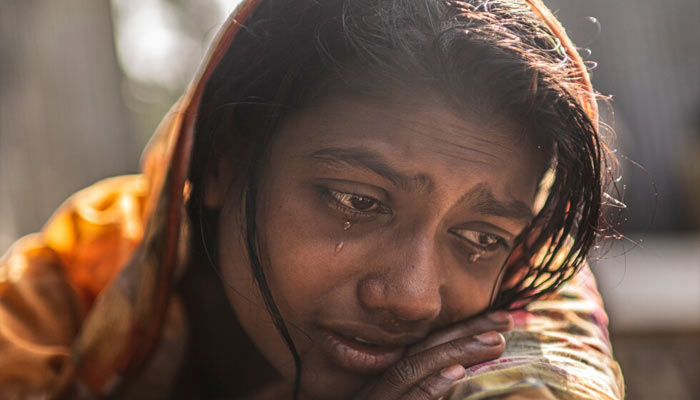
The lynching of a young Hindu garment worker has heightened fears among Bangladesh’s Hindu minority, as rights groups warn of a sharp rise in communal violence ahead of the country’s February 12 national election.
Dipu Chandra Das, 27, was accused in December by several Muslim colleagues of making derogatory remarks about the Prophet Muhammad. A mob gathered at his workplace, beat him to death, hung his body from a tree and set it on fire. Videos of the killing circulated widely on social media, sending shockwaves through Hindu communities across the country.
Protests followed in Dhaka and other cities, with demonstrators demanding justice and stronger protections for minorities. The interim government led by Muhammad Yunus ordered an investigation, and police said around a dozen suspects were arrested.
But Hindu leaders and human rights groups say the killing reflects a broader pattern of violence fueled by political instability, growing polarization, the resurgence of Islamist groups and what they describe as a culture of impunity as elections approach.
“No one feels safe anymore,” said Ranjan Karmaker, a Dhaka-based Hindu rights activist. “Fear is everywhere.”
Rising violence
Hindus make up about 8 per cent of Bangladesh’s population, or roughly 13.1 million people.
The Bangladesh Hindu Buddhist Christian Unity Council says it has recorded more than 2,000 incidents of communal violence since former prime minister Sheikh Hasina was ousted in August 2024. These include at least 61 killings, 28 cases of violence against women — including rape and gang rape — and 95 attacks on temples and other places of worship.
The Yunus-led administration has rejected claims that it has failed to protect minorities, saying most incidents are not religiously motivated. An official from the prime minister’s press team declined to comment.
Minorities have often borne the brunt of election-related violence in Bangladesh. This time, fears are heightened because Hasina’s Awami League is barred from contesting and she is living in exile in India. Hindus are widely perceived as political supporters of her party, making them vulnerable, activists say.
“Perpetrators are rarely punished,” Karmaker said. “That encourages more attacks.”
Islamist resurgence
The violence has coincided with the return of Jamaat-e-Islami, Bangladesh’s largest Islamist party, after years of repression under Hasina. Jamaat now anchors an alliance of Islamist groups seeking to regain political influence.
While the party has attempted to soften its image by engaging Hindu figures, analysts say intimidation of minorities continues, particularly in rural areas.
“It’s about spreading fear before the vote,” said political analyst Altaf Parvez. “That will affect minority participation.”
Regional fallout
The attacks have strained ties with India, prompting protests by Hindu nationalist groups and criticism from New Delhi, which has accused Bangladesh of downplaying violence against Hindus. Dhaka has rejected the claims, calling them politically motivated.
‘They burned my son’
For Das’ family, the violence is deeply personal.
“They beat him, hung him from a tree and burned him,” said his mother, Shefali Rani Das. “I want justice.”
Das, the sole breadwinner for his family, leaves behind a wife and mother facing an uncertain future — a fear many Hindu families say now hangs over their own lives as the election nears.
Comments are closed.