
Rising Temperatures Trigger Dengue Outbreaks: India’s Growing Health Threat

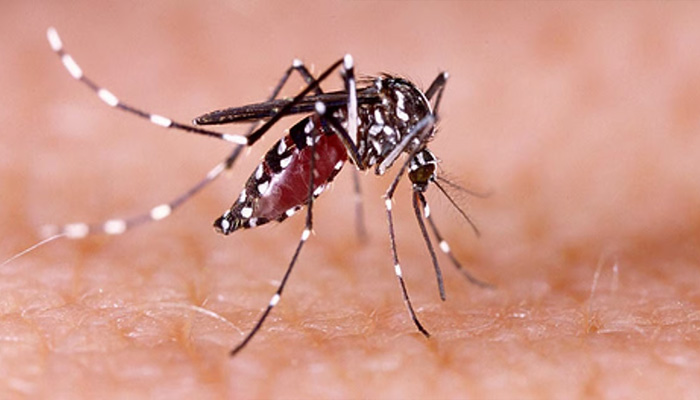
Dengue and Climate Change: India’s Growing Health Crisis.
Dengue, a viral disease transmitted by Aedes mosquitoes, is rapidly emerging as a major public health threat in India. Data from the National Health Profile (2005–2022) shows a rising trend in dengue cases and deaths. Forecast models using Gretl software predict 278,513 dengue cases and 308 deaths in 2025, up from over 230,000 cases and 236 deaths in 2024.
Dengue: From Seasonal Outbreak to Public Health Emergency
Traditionally seasonal, dengue is now evolving into a recurring public health emergency. High humidity and monsoon conditions create ideal breeding grounds for mosquitoes, while climate change is increasing the reach, frequency, and severity of outbreaks.
Rising temperatures, erratic rainfall, and shifts in seasonal patterns are expanding the range of Aedes mosquitoes, bringing them into previously cooler regions, including hilly and semi-arid areas. This has disrupted traditional disease seasonality, making dengue outbreaks harder to predict, prevent, and control.
Climate-Linked Migration and Disease Exposure
Climate-related disasters such as floods, droughts, and extreme heat are forcing population displacement. Many people move to regions where dengue is already prevalent, often with low immunity, limited healthcare access, and poor awareness, facilitating the spread of the disease to new areas.
Urban Vulnerability and Mosquito Breeding
Rising temperatures encourage more outdoor activity, increasing exposure to mosquito bites. While urban poor populations remain highly vulnerable due to lack of protective measures, dengue also affects wealthier communities. Mosquitoes breed in stagnant water in construction sites, gardens, and residential complexes, worsened by inadequate drainage and poor urban water management.
Integrated Measures Needed
- To combat this growing threat, India must adopt climate-informed health strategies:
- Strengthen vector control, early warning systems, and disease surveillance.
- Invest in climate-resilient health infrastructure.
- Promote public awareness campaigns, especially in urban and migrant-heavy areas.
- Incorporate long-term urban planning to reduce stagnant water and heat islands.
The WHO recognizes dengue as a vaccine-preventable disease (VPD), highlighting potential future interventions. However, no dengue vaccine is currently approved for use in India. Until preventive options are available, integrated approaches combining surveillance, community participation, and vector management remain crucial.
Comments are closed.