
Russia’s Lavrov Says Diesel Deal with US Is Bearing Fruit, Fuel Prices Begin to Fall

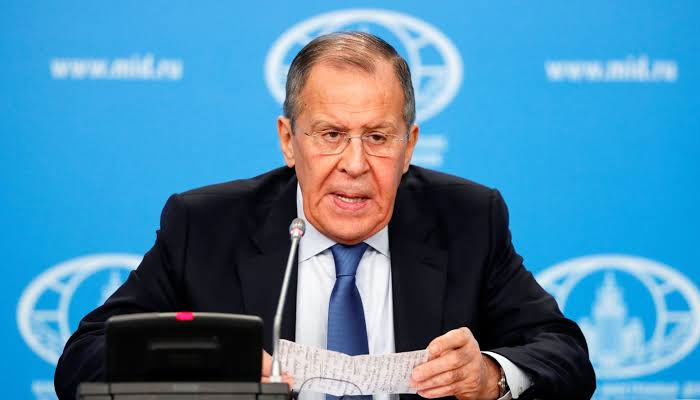
Russian Foreign Minister Sergei Lavrov has said that the diesel supply agreement between Moscow and Washington is beginning to have an impact on international fuel markets, claiming that prices have started falling following the arrangement.
In an article published in the Moscow-based daily Kommersant on Tuesday, Lavrov described the deal as a significant contribution to global energy security. He maintained that Russia does not use economic ties to exert political pressure on countries it considers competitors or adversaries. Lavrov also highlighted Moscow’s past energy trade with Europe, stating that Russia had supplied the region with energy resources worth $320 billion since 2022.
According to the Russian foreign minister, the agreement between the Russian and US presidents to ease restrictions on diesel exports has already entered its implementation phase and helped bring prices down.
Details of the US-Russia diesel agreement
US President Donald Trump announced the surprise arrangement on October 9. Under the deal, Russia agreed to export 300,000 metric tonnes of diesel, equivalent to approximately 2.25 million barrels, to the United States and international markets.
The planned shipments also included 500,000 tonnes in November and a further one million tonnes immediately afterwards. The initiative was intended to help reduce fuel costs ahead of the US midterm elections.
To facilitate the arrangement, the Trump administration temporarily eased sanctions on Russian fuel exports. The restrictions had been introduced to cut Moscow’s revenue amid its ongoing war with Ukraine.
Diesel prices show mixed trends
Lavrov said Russia was working to stabilise global energy markets and promote energy security and sustainable economic development. However, he did not provide supporting data for his claim that the agreement had immediately reduced diesel prices.
While US diesel futures have dropped around 11 per cent since the announcement, retail prices have told a different story. According to GasBuddy, diesel prices at US fuel stations reached a record high last week, when voters participated in the midterm elections.
Ukraine continues attacks on Russian oil facilities
Lavrov also accused Kyiv of ignoring Trump’s appeals to stop strikes against Russian energy infrastructure. Ukrainian President Volodymyr Zelensky said last week that Ukrainian forces were continuing their attacks.
Meanwhile, Russian media reports indicated that fuel shortages had returned in at least six regions. The supply disruptions followed Ukrainian strikes on at least eight major oil refineries over the preceding two weeks, raising fresh concerns about domestic fuel availability in Russia.
Comments are closed.