

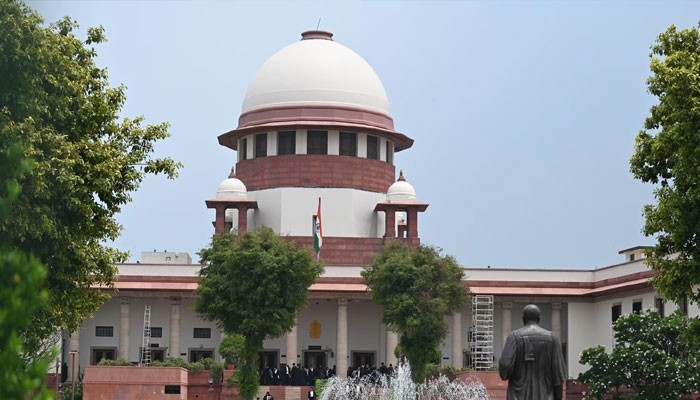
Supreme Court stays key provisions of Waqf Act, 2025, declines full suspension
The Supreme Court on Monday granted interim relief to petitioners challenging the Waqf (Amendment) Act, 2025, by staying several contentious provisions but refused to suspend the law in its entirety. A bench led by Chief Justice BR Gavai stayed:
Section 3(r): The rule requiring a person to have practiced Islam for five years before creating a Waqf. Section 3C(2): Automatic recognition of property as Waqf pending a government officer’s report on encroachment. Section 3C(4): Powers given to collectors to decide ownership of properties, which the court said breached the separation of powers.
The bench also limited non-Muslim representation in Waqf Boards and Councils, while directing that ex-officio members should, as far as possible, belong to the Muslim community. At the same time, the court declined to interfere with the registration requirement, saying it was consistent with past law. It emphasised that the larger constitutional challenge to the Act will be examined in due course.
The Act, notified in April after being passed in Parliament, has been contested by community organisations and individuals over concerns of excessive state control. The Centre opposed any blanket stay, citing the law’s presumption of constitutionality.
Petitioners and community leaders welcomed the ruling, saying it addressed most of their concerns. Congress MP Imran Pratapgarhi called the order a “relief” for those fearing government overreach into Waqf properties.
Comments are closed.