
Schengen Visa Process Goes Digital as EU Rolls Out Biometric Border Checks on October 12

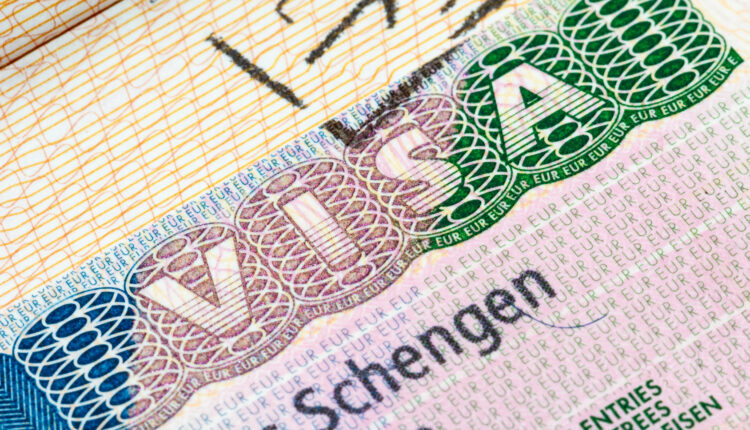
The European Union has announced a major overhaul of its external border control procedures with the introduction of a new digital Entry/Exit System (EES), scheduled to launch on October 12, 2025. This high-tech system will gradually replace the long-standing practice of manually stamping passports for non-EU nationals entering and exiting the Schengen Area.
The EES will apply to UK, US, and other non-EU travellers, recording key biometric data such as fingerprints and facial images, along with the traveller’s name, travel document type, and the date and location of each crossing. The data will be stored in a centralized EU database for up to three years, facilitating faster border checks, improving security, and ensuring compliance with the 90-day limit for short stays within the Schengen Zone.
Comprising 25 EU member states and four associated countries—Iceland, Liechtenstein, Norway, and Switzerland—the Schengen Area will benefit from a streamlined and uniform border control process under the new system. The EES is expected to significantly reduce wait times, particularly for frequent travellers and cross-border commuters, by eliminating paperwork and increasing automation at land, sea, and air borders.
The initiative is part of the EU’s broader strategy to modernize border management while reinforcing security across member states. “By working closely with Member States and the transport sector, we are creating a secure, efficient, and travel-friendly framework that reflects Europe’s commitment to both security and technological innovation,” said Henna Virkkunen, Executive Vice-President for Tech Sovereignty, Security and Democracy.
To support implementation, the UK government has reportedly allocated nearly £3.5 million (€4.1 million) each to key transport hubs—Eurostar, Eurotunnel, and the Port of Dover—to fund the installation of new registration kiosks and infrastructure needed for the biometric rollout, according to Euronews.
The EES complements upcoming travel changes, including the European Travel Information and Authorisation System (ETIAS), set to launch in 2025, which will require visa-exempt non-EU travellers to apply for pre-travel authorization online.
As Europe embraces digital transformation at its borders, the EES marks a significant shift in how the region manages mobility and migration—aiming for a balance between efficiency, innovation, and robust security.
Comments are closed.