
Scientists Warn: ‘Burp’ of Heat from Southern Ocean May Push Global Cooling Back 100 Years

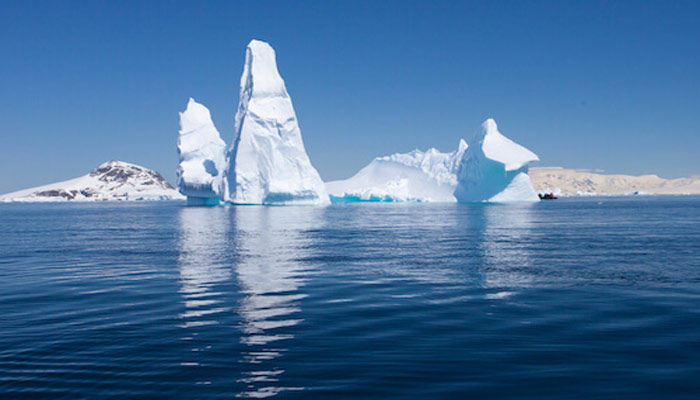
Southern Ocean Could Release Buried Heat, Delaying Global Cooling by a Century.
The Southern Ocean around Antarctica has acted as a massive heat sink, absorbing nearly 90% of the excess warmth from greenhouse gas emissions. New research from GEOMAR Helmholtz Centre warns that even if global CO₂ levels are sharply reduced in the future, this stored heat could eventually be released—a sudden “thermal burp” that might keep warming going for up to 100 years.
How the Heat Could Escape
In the study’s model, CO₂ levels first double and then drop to net-negative. As the planet cools and sea ice expands, very cold, dense water sinks, triggering deep ocean convection. This process releases the buried heat back into the atmosphere, prolonging global warming. Co-author Ivy Frenger calls the Southern Ocean an “exhaust valve” for the planet’s hidden heat.
Why It Matters
The scenario is highly idealised and does not account for ice-sheet melt. Frenger stresses that immediate emissions reductions remain essential: “The most important step right now is to reduce current CO₂ emissions to net zero to prevent further disruption of the climate system.”
The study highlights the Southern Ocean’s critical role in regulating climate and shows how its stored heat could influence global temperatures for generations, underlining the urgency of taking action now.
Comments are closed.