
Siddhant-Triptii’s Dhadak 2 Tackles Casteism, But With Cautious Steps

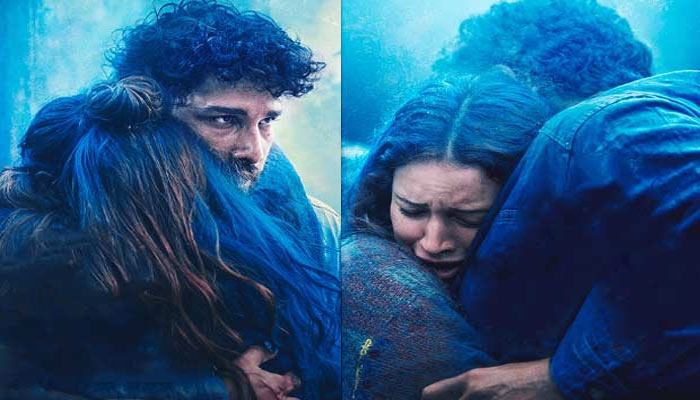
Dhadak 2 Review: A Tender Film on Caste That Stops Short of True Courage.
Remember the silent scream that closed Dhadak? In Dhadak 2, the makers replace it with a loud cry from Triptii Dimri. It echoes—but doesn’t devastate. That contrast sums up the film: it wants to hit hard, but never truly lands the blow.
Directed by Shazia Iqbal, Dhadak 2 sets out to explore caste-based violence, drawing inspiration from Mari Selvaraj’s Pariyerum Perumal. But while the intention is bold, the execution is oddly cautious. The storytelling hesitates—pulling back just when it should lunge. Redubbed climax dialogues and softened confrontations suggest a film that’s been trimmed to avoid backlash, not refined for clarity.
Still, Siddhant Chaturvedi gives his best performance yet. As Neelesh, a young Dalit man haunted by inherited trauma and daily humiliation, he brings aching vulnerability and restrained fury. Triptii Dimri plays Vidhi with emotional force, reuniting the rawness she displayed in Laila Majnu. Together, they generate moments that are honest, if not explosive.
The supporting cast is uniformly strong. Anubha Fatehpura and Vipin Sharma as Neelesh’s parents are heartbreaking. Zakir Hussain brings quiet wisdom as a college principal trying to bridge gaps. Manjari Pupala, Harish Khanna, Saad Bilgrami, and others bring depth, while Saurabh Sachdeva simmers with threat—but never becomes truly fearsome.
There are standout moments: Neelesh’s pet killed by upper-caste men, his father stripped in public, his senior’s suicide. These scenes hurt. But the pain is fleeting. The film never allows its fury to build, to stay. Like its protagonist, it keeps second-guessing its own voice.
And yet, there’s beauty in restraint. Iqbal uses the colour blue as quiet resistance, ties it to the Jai Bhim movement, and respectfully includes portraits of Ambedkar, Savitribai and Jyotirao Phule. One monologue by Triptii, where she tears down ideas of family “izzat” and modesty, crackles with energy. A line by Neelesh’s father reimagining masculinity is surprisingly tender.
These are the moments where Dhadak 2 feels alive and necessary. But they’re scattered across a narrative that’s often afraid to offend. It’s a film that wants to speak truth to power—only softly, and preferably without getting noticed.
The title Dhadak means heartbeat—and in this story, love must beat against the walls of caste. From Sairat to Pariyerum Perumal to Dhadak 2, the message remains painfully relevant. But unlike its predecessors, this one chooses caution over clarity.
Stirring but not shattering, Dhadak 2 is a film with its heart in the right place—just not the nerve to follow through.
Comments are closed.