

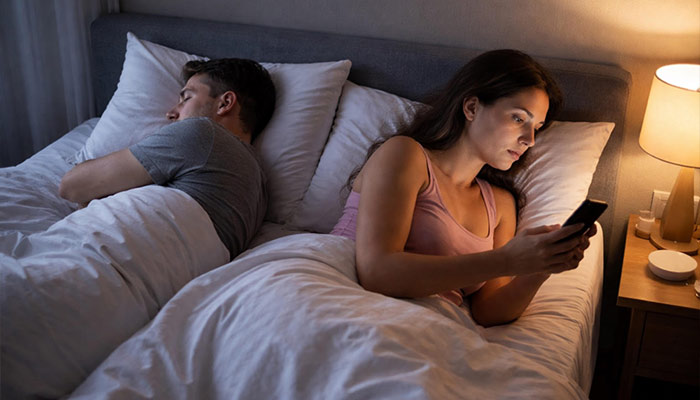
For generations, sharing a bed has been seen as a symbol of closeness.
But in today’s always-on world—where stress is high and sleep is scarce—many couples are quietly stepping away from that idea. Instead of losing rest, they are choosing separate beds or even separate rooms in a bid to protect their health.
Known as “sleep divorce,” the trend isn’t about drifting apart. It’s about recognising that good sleep is essential—and that well-rested partners often make for healthier relationships.
What ‘Sleep Divorce’ Really Means
“Sleep divorce is simply when partners choose separate sleeping arrangements to improve sleep quality while staying emotionally connected,” says Dr. Shweta Chhabra, Consultant Psychiatrist at Apollo Clinic, Bengaluru. According to her, the decision is rarely rooted in conflict—it’s usually driven by chronic fatigue and disrupted sleep.
Dr. Sunil Kumar K, a sleep medicine specialist at Aster CMI Hospital, echoes this view. Sleeping separately, he explains, often results in deeper, uninterrupted rest, better mood, and fewer arguments over habits like snoring or differing sleep schedules.
The Silent Impact of Poor Sleep
Lack of sleep does more than leave you tired—it gradually takes a toll on both body and mind.
“Physically, it can lead to fatigue, low immunity, metabolic issues, and headaches. Psychologically, it affects emotional balance and stress tolerance,” says Dr. Chhabra.
Dr. Sunil adds that chronic sleep deprivation is linked to serious conditions such as high blood pressure, diabetes, weight gain, and heart disease. It can also heighten irritability, anxiety, and reduce focus—factors that often spill over into relationships.
What looks like relationship tension is sometimes just exhaustion in disguise.
Does Sleeping Apart Hurt Intimacy?
Surprisingly, experts say the opposite may be true.
“When the decision is mutual, couples often experience better intimacy,” notes Dr. Chhabra. Being well-rested improves communication, patience, and emotional responsiveness.
Dr. Sunil agrees, pointing out that reduced daily stress leads to healthier interactions, strengthening both emotional and physical bonds.
Holistic life coach Richa Agarwal sums it up: “Sleep is the reset button for the nervous system. Without it, even strong relationships can feel strained.” In many cases, a little distance at night leads to more connection during the day.
Try Fixing the Problem First
That said, separate beds aren’t always the first step. Many sleep disruptions have simple solutions. Snoring, screen use, mismatched routines, or untreated issues like insomnia and sleep apnea are common culprits. “Earplugs, white noise, limiting screen time, and seeking medical help when needed can significantly improve sleep,” says Dr. Sunil.
Agarwal also recommends calming bedtime rituals and setting boundaries with devices to restore natural sleep cycles.
Finding the Right Balance
The key to making sleep divorce work is communication. Without it, the arrangement can feel isolating. “Physical distance only becomes a problem when it leads to emotional distance,” warns Dr. Chhabra. Regular reassurance, affection, and shared moments help maintain connection.
Simple habits—talking before bed, spending quality time together, or maintaining physical closeness—can ensure that the relationship remains strong, regardless of sleeping arrangements.
When to Get Help
Ongoing issues like loud snoring, insomnia, persistent fatigue, or frequent conflicts over sleep shouldn’t be ignored. Consulting a sleep specialist or mental health professional can help address underlying problems early.
Comments are closed.