
Sleeping Late? Your Liver’s Detox Cycle Could Be Getting Affected

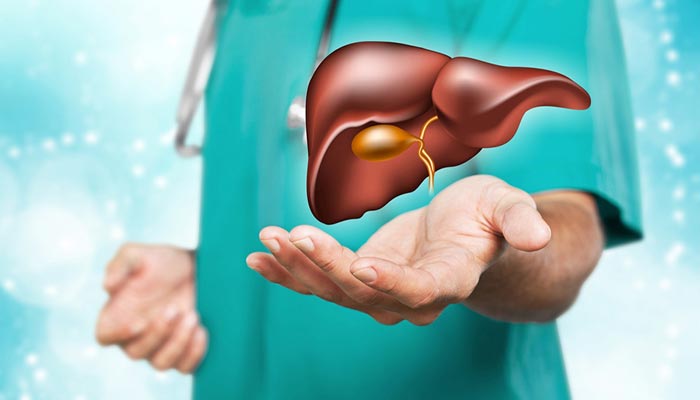
Why Poor Sleep Cycles Can Disrupt Your Liver’s Natural Detox Process
From filtering toxins and processing nutrients to regulating metabolism and supporting immunity, the liver performs hundreds of critical functions every day. However, much of its repair and detoxification work happens during sleep. When sleep becomes irregular or insufficient, this natural cycle can be disturbed, potentially affecting how efficiently the liver carries out its metabolic tasks.
Doctors warn that modern lifestyle habits — including excessive late-night screen time, irregular work hours and disrupted sleep patterns — are increasingly taking a toll on liver health.
“While many people see sleep as the body’s time to rest, the liver actually becomes highly active during this period,” says Dr Sanjay Khanna, Co-Chairman at the Manipal Institute of Gastroenterology, Hepato-Biliary and Pancreatic Sciences at Manipal Hospitals, Dwarka, New Delhi. “The liver follows a circadian rhythm that regulates functions such as glucose metabolism, bile production and detoxification. Deep, uninterrupted sleep plays an important role in maintaining this rhythm.”
Dr Harshavardhan Rao B., Head of Medical Gastroenterology at Ramaiah Memorial Hospital in Bengaluru, says sleep is often overlooked when people focus on liver health.
“The liver is the body’s central organ for detoxification and metabolism. While detox drinks and cleanses are widely promoted online, the most effective detox tool the body has is actually good-quality sleep,” he explains.
The Liver’s Internal Clock
Like many organs in the body, the liver operates according to a 24-hour circadian rhythm that helps regulate its activity. During the day, the liver mainly focuses on processing nutrients from food, maintaining energy balance and regulating blood sugar and fat levels.
At night, however, the organ shifts into a restorative phase, when it carries out many of its repair and detoxification processes.
What Happens When Sleep Is Disrupted
Sleep deprivation does more than just leave a person feeling tired. Over time, it can trigger metabolic changes that place additional stress on the liver.
Dr Khanna explains that insufficient sleep can increase cortisol levels and contribute to insulin resistance, both of which add metabolic strain on the liver.
Chronic sleep disruption can also affect eating behaviour. “Poor sleep alters hormonal cycles that regulate hunger and satiety. This often leads to increased sugar cravings, unhealthy eating habits and weight gain, which ultimately contribute to fat accumulation in the liver,” says Dr Rao.
The Impact of Late-Night Eating
Eating late at night can further interfere with the liver’s natural rhythm. When meals are consumed late, the liver is forced to shift back into digestion mode at a time when it should be focusing on repair and detoxification.
“It’s not just about how long you sleep but also your habits before bedtime,” says Dr Rao. “Late-night eating forces the liver to process nutrients when it should be performing other important functions such as immune regulation and protein synthesis.”
Over time, these disruptions may increase the risk of metabolic conditions such as diabetes, heart disease and stroke.
Can Detox Supplements Replace Sleep?
Despite the popularity of detox juices and supplements marketed for liver health, doctors say they cannot replicate the natural repair processes that occur during sleep.
According to Dr Rao, most detox supplements lack strong clinical evidence. “The hormonal and cellular environment created during deep sleep supports liver repair and detoxification far more effectively than any supplement,” he says.
Another common misconception is that lost sleep can simply be compensated for during weekends. While extra rest may provide temporary relief, irregular sleep schedules can still disrupt the circadian genes that regulate liver function.
Simple Habits To Support Liver Health
Experts say a few lifestyle changes can help support the liver’s natural detox cycle:
-
Aim for 7–9 hours of quality sleep every night
-
Maintain a consistent sleep schedule
-
Avoid late-night meals, alcohol and sugary drinks before bedtime
Comments are closed.