

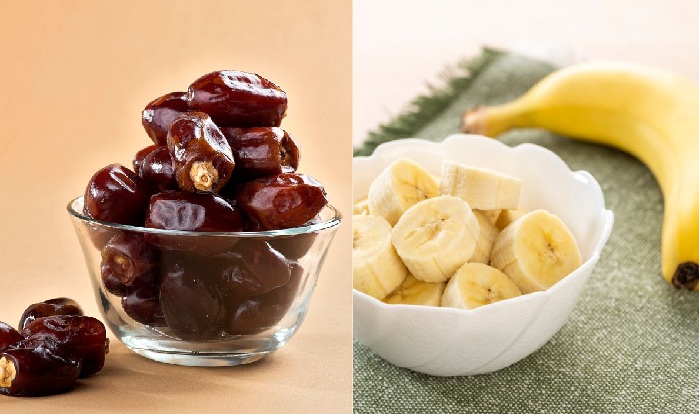
Dates vs Bananas: Which Makes for the Smarter Snack?
Snacking doesn’t have to be a guilty pleasure—especially when it involves whole, nutrient-rich foods. Among the many options available, bananas and dates stand out as two of the most popular and nutritious choices. But when it comes to choosing the smarter snack, which one wins?
Let’s break it down.
Calories: Bananas Keep It Light
If you’re counting calories, bananas take the lead.
Bananas: ~89 calories per 100g
Dates: ~180 calories per 100g
For those trying to manage weight or maintain a calorie deficit, bananas offer a lighter option.
Sugar Content: A Stark Contrast
Sugar levels can be a deal-breaker, especially for people watching their blood sugar.
Dates: ~63.9g of sugar per 100g
Bananas: ~12g per 100g
“Bananas are a safer bet for blood sugar control,” says Delhi-NCR-based dietitian Shreya Singh. “They release energy more steadily, without the sharp spikes associated with high-sugar foods.”
Fitness Fuel: Fast or Slow Energy
Both fruits serve different roles in a workout routine.
Dates: Great for a pre-workout boost—they provide quick energy.
Bananas: Ideal post-workout or during longer activities, thanks to their slower energy release and potassium content.
“For energy, dates act like a sprint; bananas are more like a marathon,” Singh explains.
Fibre: Dates Take the Lead
In the fibre department, dates win, offering more digestive benefits.
- Dates: ~8g fibre per 100g
- Bananas: ~2.6g per 100g
So, if gut health is your priority, dates may be the better pick—just keep portion size in check.
Health Considerations: What About Diabetes and Heart Health?
Diabetes: Due to their high sugar content, dates are best avoided or consumed cautiously by diabetics. Singh recommends pairing bananas with plain peanuts for a blood-sugar-friendly snack.
Heart Health: Bananas are rich in potassium, which supports heart health by regulating blood pressure. Dates bring magnesium, fibre, and iron to the table, all beneficial but with caution for sugar-sensitive individuals.
Final Take: Which One Should You Choose?
There’s no universal winner—just smarter choices based on your goals:
Comments are closed.