

WhatsApp, Youth Mobilisation and Social Media: How Lula Secured a Historic Fourth Term in Brazil
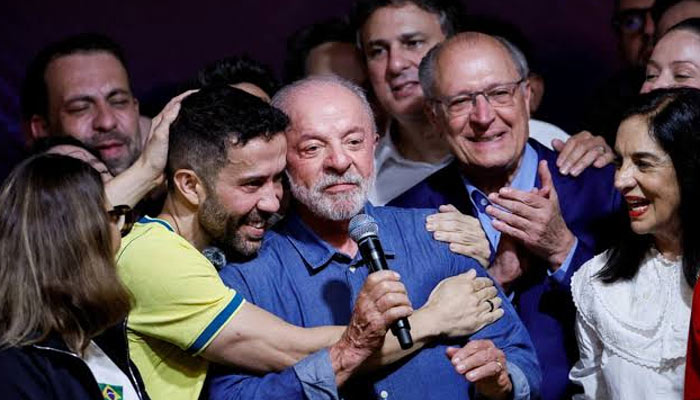
Brazilian President Luiz Inácio Lula da Silva has secured an unprecedented fourth term in office, overcoming a first-round setback and defying expectations to defeat right-wing rival Flávio Bolsonaro. Lula’s victory was powered by an energetic runoff campaign that combined youth mobilisation, an aggressive digital strategy and a series of popular welfare measures.
The 80-year-old leftist leader secured 51.8 per cent of the vote, bouncing back after Bolsonaro’s surprising performance in the first round. Lula’s campaign shifted gears in the final weeks, seeking to reconnect with younger voters, strengthen his online presence and highlight concerns about the return of the Bolsonaro family to power.
Political analysts attributed the turnaround to a combination of grassroots campaigning, digital outreach and opposition to the policies associated with former president Jair Bolsonaro.
Young Voters Take to the Streets
One of the defining features of Lula’s campaign was the return of young people to the streets. Following the first-round setback, students and youth groups organised rallies in major cities, including Rio de Janeiro, São Paulo and Belo Horizonte.
Marching under slogans such as “Bolsonaro never again”, demonstrators rallied behind Lula’s social policies and his promises to protect minority rights and democratic institutions.
Eduardo Grin, a political scientist at the Getulio Vargas Foundation (FGV), described the mobilisation of young voters as a crucial factor in the campaign’s revival. He said Lula’s Workers’ Party had managed to reconnect with a younger audience.
Lula himself compared the energy of the mobilisation to the mass pro-democracy movement of 1984, when Brazilians demanded elections during the country’s military dictatorship.
The street campaign helped energise supporters at a critical moment, giving the incumbent’s electoral effort fresh momentum after the first round.
Digital Offensive Puts WhatsApp at the Centre
Lula’s campaign also underwent a major digital transformation after the president described his first-round effort as the most disorganised in decades.
Seeking to strengthen his online outreach, Lula enlisted younger influencer-politicians, embraced selfie culture and worked to improve his engagement with voters across social media platforms.
His supporters launched a parallel digital campaign aimed at countering the online influence of the political right. Volunteers spent hours sharing posts, circulating campaign messages and engaging directly with voters.
Oliver Stuenkel of FGV told AFP that many left-wing supporters devoted considerable time to online campaigning and took their political message into the streets.
Publicist Taiza Mendonça, 36, described the effort as demanding, saying she frequently worked beyond her regular hours to support Lula’s campaign. She added that even older supporters in her family had become familiar with hashtags as digital campaigning expanded.
WhatsApp emerged as a particularly important tool. The campaign’s “Lula’s Army” channel reportedly grew from around 60,000 followers to nearly 11 million in just three weeks, providing supporters with a platform to circulate messages and mobilise voters.
The rapid expansion illustrated how digital networks became central to the campaign’s efforts to reach voters and counter rival narratives.
Opposition to Bolsonaro Family Helped Shape the Contest
Lula’s campaign also benefited from concerns among voters about the prospect of another Bolsonaro presidency.
Flávio Bolsonaro, 45, emerged as the right-wing candidate after being chosen by his father, former president Jair Bolsonaro, to lead the political movement. Jair Bolsonaro is serving a 27-year prison sentence following his conviction over an attempted coup after losing the 2022 election to Lula.
Critics of the former president’s administration pointed to rising hunger, its handling of the COVID-19 pandemic, violence against minorities and environmental policies that drew criticism from climate advocates.
Flávio’s close identification with his father became a central feature of the campaign. He described Jair as his “compass” and promised to secure his release if elected.
According to Grin, street demonstrations and social media activity helped amplify concerns about a possible return of the Bolsonaro family to power, particularly regarding democracy and social rights.
For Lula’s supporters, the election became not only a contest between two political candidates but also a debate over the country’s future direction.
Welfare Measures and Economic Promises Strengthen Lula’s Campaign
Alongside its digital and grassroots strategy, Lula’s government highlighted a series of popular policy measures in the run-up to the runoff election.
Congress approved a reform guaranteeing workers two days of rest each week, fulfilling a key campaign promise. The government also rescheduled October welfare payments so recipients would receive them before the runoff rather than afterwards.
Additional initiatives included debt-relief measures for small-scale entrepreneurs and other benefits intended to provide financial support to households and businesses.
Defending the timing of the initiatives, Lula said during a campaign interview: “I’m not going to stop granting a benefit I can grant just because there are elections.”
The measures gave the incumbent an opportunity to emphasise his government’s social agenda and appeal to voters concerned about household finances and workers’ rights.
A Combination of Digital Outreach and Grassroots Politics
Lula’s victory highlighted the importance of combining traditional political mobilisation with modern digital campaigning. Youth rallies helped energise supporters, WhatsApp and social media expanded the campaign’s reach, and welfare initiatives reinforced its message on economic security.
At the same time, concerns about the Bolsonaro family’s return to power helped consolidate support among voters who viewed the election as a choice about democracy, minority rights and social policy.
The result demonstrated how Lula’s campaign recovered from its initial setback by reshaping its outreach and mobilising supporters across both online platforms and public spaces. His fourth term marks another significant chapter in Brazil’s political history.
Comments are closed.