
Study Reveals Why Earth’s Poles Are Warming Faster Than the Rest of the Planet

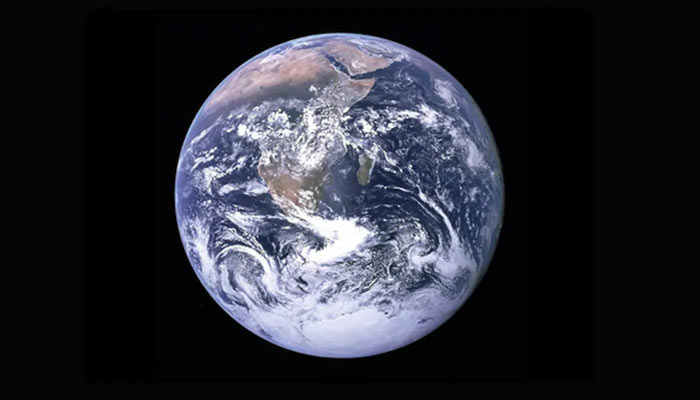
Earth’s polar regions are warming at an unprecedented rate, and a new study by Penn State researchers explains why powerful feedback loops in polar air are accelerating the process.
The study found that openings in sea ice, known as “leads,” play a crucial role in intensifying warming. These gaps allow heat and moisture to escape from the ocean, promoting cloud formation and complex chemical reactions in the lower atmosphere. At the same time, emissions from oil extraction sites, including those in Prudhoe Bay, Alaska, were found to contaminate the Arctic atmosphere, further amplifying the warming effect.
Together, these factors create a strong positive feedback loop: melting ice leads to more open water, which increases cloud cover and pollution-driven chemical activity, trapping additional heat and accelerating ice loss even further.
Airborne study reveals hidden Arctic feedbacks
The findings are based on an extensive field campaign conducted in spring 2022, during which the Penn State-led team sampled Arctic air using two instrumented research aircraft and ground-based sensors.
Professor Jose D. Fuentes described the campaign as “an unprecedented opportunity to explore chemical changes in the boundary layer and understand how human influence is altering the climate in this critical region.” He said the data offer a clearer picture of the interactions between aerosols, clouds and pollutants in the rapidly changing Arctic environment.
Implications for global climate
The study has significant implications beyond the polar regions. Researchers are now compiling detailed datasets to help climate models better capture Arctic feedback mechanisms, which are often poorly represented.
Understanding these processes is crucial because changes in the Arctic can influence weather patterns far beyond the poles, affecting atmospheric circulation, extreme weather events and long-term climate trends worldwide. The findings highlight how localised changes in a remote region can have far-reaching consequences for global warming and climate stability.
Comments are closed.