

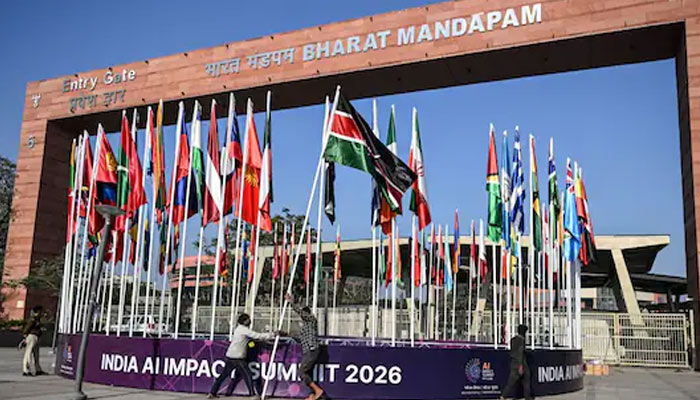
As India concluded one of the most expansive global conversations on artificial intelligence.
Switzerland announced it will host the next international AI summit in Geneva in 2027 — signalling a handover from a Global South-led platform to a European diplomatic hub. The announcement was made by Bernard Maissen, Swiss State Secretary and Director General of the Federal Office of Communications, during interactions at the AI Summit in New Delhi.
Calling the New Delhi gathering “extremely significant,” Maissen said the summit marked a shift in how AI governance is being shaped globally. “It is the first AI summit in the Global South, and that is important,” he said, emphasising that artificial intelligence must serve all societies — not only advanced economies.
India’s summit drew close to 300,000 stakeholders and concluded with the Delhi Declaration, which prioritised safety, inclusion, responsible regulation and leadership from developing nations. Switzerland, Maissen noted, is keen to learn from India’s “AI for all” approach and its emphasis on broad-based participation.
Geneva 2027: Regulation meets innovation
Confirming Geneva as the 2027 host city, Maissen said Switzerland sees itself as uniquely positioned to bridge conversations between the Global North and Global South. “With our strong regulatory institutions, universities, research ecosystem and startup culture, we can provide a balanced platform — encouraging innovation while ensuring safeguards,” he said.
Geneva’s long-standing reputation as a centre for multilateral diplomacy is expected to shape the next phase of global AI discussions.
A measured approach to AI laws
On regulation, Maissen acknowledged intensifying global debates over AI safety, misinformation and the impact of emerging technologies on young users. His comments come as the European Union moves forward with comprehensive AI legislation.
Switzerland, however, has opted for a cautious and incremental path. “At present, we do not have a dedicated AI Act, nor do we have bans on social media access for minors,” Maissen said, adding that Swiss authorities are closely monitoring regulatory developments across Europe. Switzerland is a signatory to the Council of Europe AI Convention, which outlines principles for responsible AI use. These guidelines are gradually being integrated into national policy frameworks.
Countering deepfakes and disinformation
Maissen also addressed the risks of AI-enabled misinformation, particularly in the context of geopolitical conflicts such as the Russia-Ukraine war. Rather than imposing sweeping prohibitions, Switzerland’s strategy focuses on strengthening media literacy and public awareness. “Regulating disinformation directly is complex,” he said. “Our approach prioritises empowering citizens to distinguish between credible information and manipulated content.”
He underscored the importance of maintaining a strong, independent media landscape as a safeguard against digital manipulation.
Expanding India–Switzerland tech cooperation The conversation also highlighted growing technology and innovation ties between India and Switzerland. Maissen pointed to expanding bilateral investments and recently signed trade agreements as indicators of deepening cooperation.
“India represents a significant market and innovation partner. This summit creates new opportunities for collaboration in AI and digital technologies,” he said.
As India closes a landmark chapter in AI diplomacy, the global spotlight shifts to Geneva. With New Delhi emphasising inclusion and Global South leadership, and Switzerland preparing to convene the next summit, the international AI dialogue appears set to move toward a more balanced and cooperative phase.
Comments are closed.