
Tarique Rahman Returns to Bangladesh After Years in London: What He Did in Exile

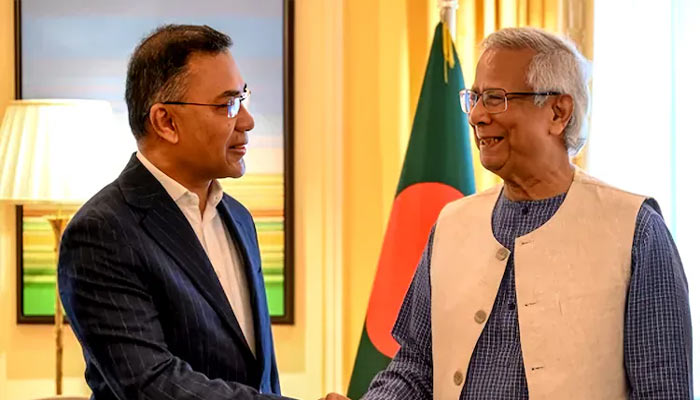
Tarique Rahman Returns to Bangladesh After 17 Years in Exile: A Look at His London Years.
Tarique Rahman, acting chairman of the Bangladesh Nationalist Party (BNP) and son of former Prime Minister Khaleda Zia, is set to return to Dhaka on Thursday after nearly 17 years in self-imposed exile in London. Party leaders and supporters are calling the return historic, potentially transformative for Bangladesh’s political landscape.
Leadership from Abroad
Rahman, 60, left Bangladesh in 2008 after being released from prison amid a political crisis. While living in London with his family, he continued to play a central role in BNP leadership. From abroad, he oversaw party organisation, maintained cohesion through years of legal and political setbacks, and served in senior positions, including senior vice-chairman, before becoming acting chairman following his mother’s imprisonment.
During exile, Rahman also founded White and Blue Consultants Limited, a private public relations and communications firm, in 2015. Initially, company records listed his nationality as British, later updated to Bangladeshi in 2016.
Return Amid Political Change
Rahman’s return follows the collapse of the Hasina government in 2024. He has stated his intention to come back once legal cases against him were withdrawn and pledged support for the reform agenda of the interim government led by Muhammad Yunus.
His return coincides with the lead-up to parliamentary elections scheduled for February 12, 2026, in which the BNP positions itself as a leading contender after the fall of long-time rival Sheikh Hasina. The party has planned large-scale receptions, expecting up to five million supporters along his route from the airport to the capital, signalling strength and momentum ahead of the polls.
Why the Homecoming Matters
With Khaleda Zia’s health in decline, many BNP leaders see Tarique Rahman as the party’s natural leader and potential head of government if it wins a majority. Analysts say his presence could:
- Boost voter turnout
- Unite party ranks
- Strengthen BNP’s credibility as an alternative to the Awami League
Bangladesh’s upcoming elections are viewed as a test of democratic stability after years of polarization. According to the Dhaka Tribune, the party’s ability to draw large crowds may translate into significant electoral support, particularly among voters seeking credible leadership and a change from past unrest.
Comments are closed.