
Tehran Sets Conditions for Reopening Strait of Hormuz, Puts Pressure on US

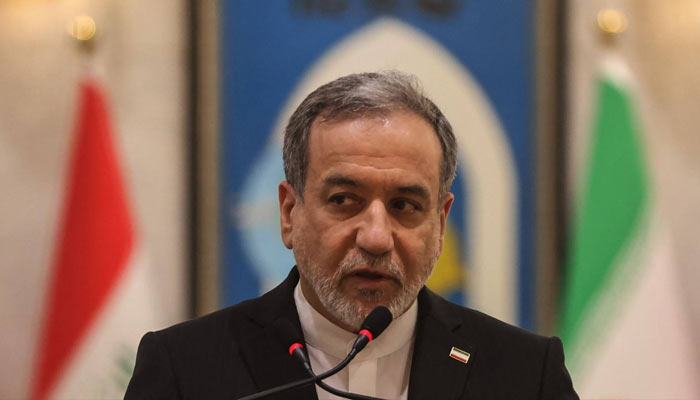
Iran Refuses to Reopen Strait of Hormuz Until US Meets Tehran’s Demands
Iran’s Revolutionary Guards have said the Strait of Hormuz will remain closed until the United States accepts Tehran’s conditions, including compensation for damage caused during the war.
The strategically important waterway has faced an effective blockade since US and Israeli attacks began in late February. Iran has also sought to impose tolls on vessels using the strait and has targeted ships it accuses of attempting to bypass its preferred route.
Iranian Foreign Minister Abbas Araghchi said talks with Oman over transit and management arrangements for the strait were nearing their final stage. However, he stressed that reopening the waterway would depend on additional conditions, including compensation over what Tehran described as violations of the June agreement.
Araghchi also denied that Iran was directly negotiating with the United States, saying the two sides were only exchanging messages through intermediaries.
Iran Sets Conditions for Reopening Hormuz
Iranian security chief Mohammad Bagher Zolghadr has outlined several demands for reopening the strait. Tehran wants an end to what it describes as the war and aggression against Iran and its allies in Lebanon, Palestine, Yemen and Iraq.
Iran has also demanded the lifting of US restrictions on its ports, an end to sanctions, the release of frozen assets and compensation for wartime damage.
The Revolutionary Guards said the strait would remain closed until the United States accepts all of Iran’s conditions, describing the waterway as a “theater of war” rather than simply a transit route.
Attacks Disrupt Shipping
Related Posts
The latest statements come as commercial traffic through the Strait of Hormuz has fallen sharply amid repeated attacks on vessels.
The UAE Foreign Ministry condemned what it described as an Iranian missile attack on an ADNOC tanker transiting the strait. No casualties were reported.
The UK Maritime Trade Operations later said a vessel was hit by a projectile off Oman in the Strait of Hormuz. The resulting fire was extinguished and no casualties were reported. It was unclear whether the incident involved the same vessel.
Oman also condemned repeated attacks on vessels using the waterway while saying negotiations over navigation arrangements were continuing in a positive and constructive atmosphere.
The earlier Iran-US understanding had envisaged Iran and Oman discussing future arrangements for the strait with other Gulf countries in accordance with international law.
Turkey, Saudi Arabia and Pakistan Deepen Security Cooperation
Separately, Turkish Foreign Minister Hakan Fidan said he expected Egypt to eventually join a defence arrangement involving Turkiye, Saudi Arabia and Pakistan.
Fidan described Egypt as a natural partner and said the countries already cooperate as though they were members of an alliance. He also stressed that the agreement was not aimed at any specific country.
Pakistan’s Foreign Ministry said the pact was intended to strengthen collective deterrence and provides that an attack on one member would be regarded as an attack on all.
The developments come as tensions across the region remain high, with disruption in the Strait of Hormuz adding to concerns over global shipping and energy supplies.
Comments are closed.