
Think These Health Foods Are Safe? Not If You Have Kidney Issues

Think These Foods Are Healthy? Not If You Have Kidney Disease.
Your kidneys silently manage over 2,000 vital functions — from flushing out toxins to balancing minerals like sodium, potassium, and phosphorus. But when they begin to fail, even the most nutritious foods can become dangerous. “When kidney function drops below 30%, the body can no longer process key minerals properly. Excess potassium and phosphorus can cause life-threatening heart and bone complications.”
Here are 10 common ‘health foods’ that may harm your kidneys if you’re battling chronic kidney disease (CKD):
1. Bananas
Packed with potassium—over 420 mg per fruit—bananas can be risky for those in CKD stages 3 to 5. Excess potassium can trigger dangerous heart arrhythmias.
2. Spinach & Leafy Greens
Cooked spinach contains up to 840 mg of potassium per cup and high oxalate levels, which can worsen kidney stones.
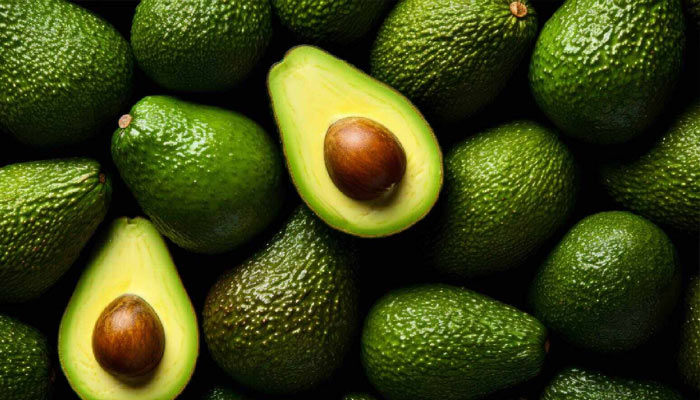
3. Avocados
While heart-healthy, a single avocado has nearly 1,000 mg of potassium—making it a poor choice for kidney patients.
4. Nuts & Seeds
Almonds, pistachios, and sunflower seeds are rich in phosphorus and potassium, both of which are difficult to eliminate through impaired kidneys.
5. Whole Grain Products
Whole wheat breads and cereals often contain phosphorus additives, which are more readily absorbed and harmful in CKD.
6. Salt Substitutes
Low-sodium salts often use potassium chloride instead of sodium—dangerous for kidneys that can’t filter potassium effectively.
7. Orange Juice & Citrus Fruits
A cup of orange juice contains 470 mg of potassium. Its high vitamin C content can also raise oxalate levels, risking kidney stone formation.
8. Tomatoes & Tomato Products
Highly concentrated in potassium—over 650 mg in just 1/4 cup of tomato paste—tomatoes can worsen potassium overload.
9. Greek Yogurt
Higher in potassium and phosphorus than regular yogurt, Greek yogurt isn’t ideal for those with declining kidney function.
10. Dark Chocolate
Delicious but dangerous—200 mg of potassium per ounce along with high phosphorus levels make this treat risky for CKD patients.
Why This Matters
As kidney function declines, waste and electrolytes build up in the body. Managing your diet becomes not just important—but life-saving.
Comments are closed.