

India Detains Three US-Sanctioned, Iran-Linked Tankers Near Mumbai: Report
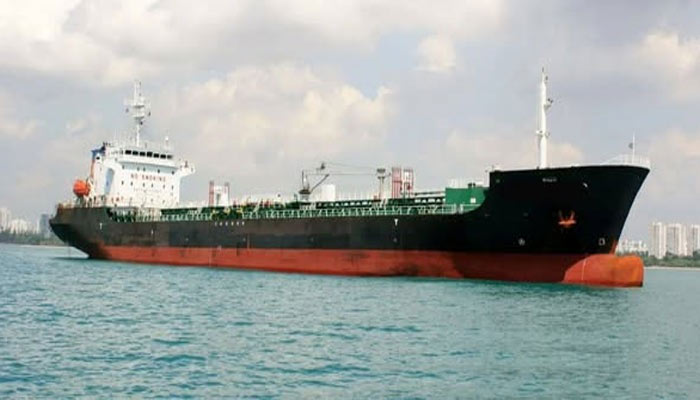
India has seized three oil tankers sanctioned by the United States and allegedly linked to Iran, tightening oversight of its maritime waters to curb illicit trade, according to a Reuters report citing a source with direct knowledge of the matter. The National Iranian Oil Company (NIOC), however, has denied that the vessels are connected to it.
The ships — Stellar Ruby, Asphalt Star and Al Jafzia — were reportedly operating under frequently changing identities to evade coastal enforcement agencies. Their ownership structures are based overseas, the source said.
Intercepted Off the Mumbai Coast
Indian authorities had earlier posted — and later deleted — a message on X stating that three vessels were intercepted about 100 nautical miles west of Mumbai after suspicious tanker movements were detected. The ships were subsequently escorted to port for further investigation.
India is said to be particularly concerned about ship-to-ship transfers conducted in its maritime zone. Such transfers are commonly used to disguise the origin of oil cargoes and bypass international sanctions.
Sanctions Angle and Shipping Data
The US Office of Foreign Assets Control (OFAC) had previously sanctioned vessels named Global Peace, Chil 1 and Glory Star 1 — ships whose International Maritime Organisation (IMO) numbers reportedly match those of the tankers detained by India.
Shipping data from the London Stock Exchange Group (LSEG) suggests that two of the three vessels had operational links to Iran. Al Jafzia is reported to have carried Iranian fuel oil to Djibouti in 2025, while Stellar Ruby had been flagged in Iran. Asphalt Star largely operated on routes connected to China.
Iranian state media, quoting NIOC, maintained that neither the vessels nor their cargoes were affiliated with the company.
Heightened Maritime Surveillance
Following the seizures, the Indian Coast Guard has intensified monitoring efforts. Around 55 ships and 10–12 aircraft are now conducting round-the-clock surveillance across India’s maritime zones, the source told Reuters.
Sanctioned crude and fuel are often sold at steep discounts due to the legal and financial risks involved. Traders typically rely on layered ownership structures, falsified paperwork and mid-sea transfers to obscure cargo origins and avoid detection.
The action comes amid improving ties between New Delhi and Washington, signalling India’s intent to prevent its waters from being used for sanctions-evasion activities.
Comments are closed.