
Trump, Netanyahu agree US should ‘go full force’ on Iran over oil exports to China: Report

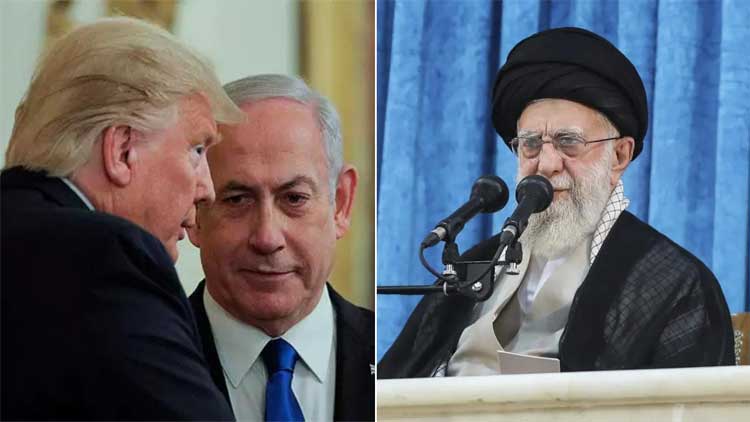
US President Donald Trump and Israeli Prime Minister Benjamin Netanyahu agreed during a White House meeting to intensify economic pressure on Iran, according to a report by Axios.
Discussions centred on curbing Iran’s oil exports to China, with US officials indicating Washington would pursue “maximum pressure,” particularly targeting Iranian crude sales.
Focus on Iran’s Oil Trade With China
China remains Iran’s dominant oil customer, accounting for the vast majority of its seaborne crude purchases, based on energy market estimates. Owing to longstanding US sanctions, Iran has limited access to global buyers, making Chinese demand critical for Tehran’s revenues.
Reports have previously noted that Iranian shipments are often routed through regional hubs and relabelled in trade documentation. While Beijing rejects unilateral sanctions and maintains its commerce with Iran is legitimate, official Chinese customs data has not listed Iranian crude imports for several years.
US policymakers believe tightening restrictions on this trade could increase leverage over Tehran, particularly in relation to its nuclear programme.
Maximum Pressure Strategy
The renewed pressure campaign is expected to operate alongside diplomatic engagement with Iran. Recent executive actions have expanded Washington’s options, including potential economic penalties for countries maintaining trade ties with Tehran.
Officials say the approach blends sanctions enforcement, trade measures, and regional security considerations, reflecting broader US efforts to constrain Iran’s financial and strategic capabilities.
Nuclear Talks and Regional Tensions
Iran and the United States are preparing for further discussions over Tehran’s nuclear activities, following earlier diplomatic contacts. US leadership has warned of serious consequences should negotiations fail, while Iran insists its programme is peaceful and open to verification.
Meanwhile, military posturing continues across the Middle East, underscoring persistent tensions between Washington and Tehran. Iranian authorities have signalled readiness for inspections, though international monitoring constraints remain a point of concern for global nuclear regulators.
The evolving US-Israel alignment on Iran policy highlights ongoing geopolitical friction involving energy markets, sanctions, and nuclear diplomacy.
Comments are closed.